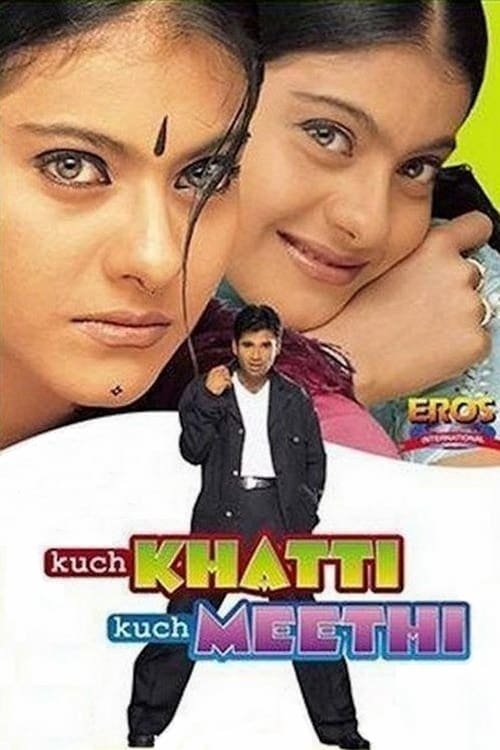
Kuch Khatti Kuch Meethi
2001
No user ratings available yet
Representation score: 1.9 out of 10
Representation Score
Fair
1995
Director
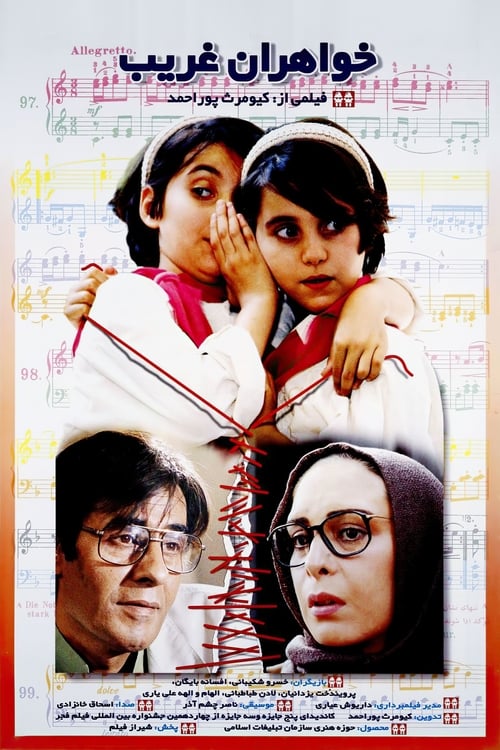
Kiumars Pourahmad
Runtime
93 minutes
Average Rating
No ratings yetNew Showbiz Analysis
This film is a character-driven domestic drama that explores identity and perception through a doppelgänger theme. It offers a non-Western perspective centered on an Iranian household, diverging from typical Anglo-Saxon cinema. However, the narrative remains conventional, focusing on traditional familial roles and interpersonal dynamics without challenging broader societal structures or diverse identities. The film prioritizes individual ability to act within a standard social framework, making it a focused study of family communication rather than a subversive work.
Category Breakdown
The film focuses on friendships and family relationships among young girls but does not depict non-traditional gender identities or challenge assumptions about straight relationships.
Nargess plays a central role in driving the plot through her exploration of identity. However, the conflict revolves around traditional family structures.
As an Iranian production, the film provides a non-Western perspective. The cast is ethnically uniform, emphasizing an Iranian domestic experience.
The story highlights traditional family values and personal responsibilities. It focuses on communication issues within the household rather than broader cultural or secular themes.
The film does not include any depictions of physical, cognitive, or sensory disabilities.
Present on Screen
Limited or Absent
Official Synopsis
A young, inquisitive girl named Nargess encounters a girl from another school who could pass as her twin. Amazed by the strange coincidence, the two girls rush to their respective parents, but neither side has the time to hear them out. Nargess finds herself caught between her mother and father as she tries in vain to make herself heard, and when that fails, the two girls hatch a plan to swap places and see if their parents notice. While everything goes smoothly at first, it's not long until they start encountering problems in this double-sided family drama.
2001
1976
1996

1961
1950
1996
2002

1995
No reviews yet. Be the first to share your thoughts on this movie!
Use the rating form above to leave a star rating and optional review.