ODDSAC
2010
No user ratings available yet
Representation score: 4.7 out of 10
Representation Score
Limited
2010
Director
Julian Gibbs
Runtime
38 minutes
Average Rating
No ratings yetNew Showbiz Analysis
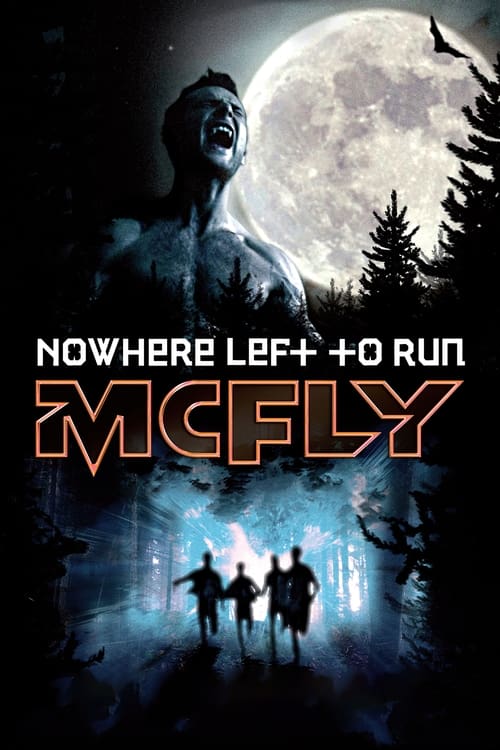
McFly: Nowhere Left to Run serves primarily as a stylized promotional vehicle for the band's music. The narrative prioritizes genre-blending and aesthetic spectacle over meaningful social representation or storytelling that reflects multiple aspects of identity. The production adheres to conventional pop-media structures of its era, focusing on brand reinforcement and the visual identity of the album cycle rather than challenging traditional social hierarchies. Ultimately, the film lacks the ability to drive meaningful social change, opting for high-concept horror clichés that maintain a narrow, homogenized focus on the central male protagonists and their immediate surroundings.
Category Breakdown
The film does not include explicit representations of LGBTQ+ identities or relationships that go beyond the assumption that everyone is straight. While the vampire genre often explores fluid desire, the narrative focuses strictly on the band and their female fans.
The story centers on male band members, with women appearing primarily as 'gorgeous fans' who serve as visual components of the horror setting rather than active plot drivers.
The production emphasizes a glossy, homogenized visual standard typical of early 2010s pop-rock. There is no evidence of a multi-ethnic cast or the use of non-human species to address race.
The film relies on Western pop-culture clichés to promote a commercial product. It functions as a music industry extension rather than a critique of social, religious, or secular institutions.
There is no information available regarding the inclusion of characters with physical, sensory, or neurodivergent disabilities.
Present on Screen
Limited or Absent
Official Synopsis
Updating "Thriller" for the "Twilight" generation, "Nowhere Left to Run" is a blood, sweat and scream-soaked vampire spectacular soundtracked by songs from McFly's latest album, Above the Noise, including huge, hit singles "Party Girl" and Taio Cruz collaboration "Shine a Light". Fun, frightening and fast-paced, glossily-produced and featuring gorgeous female fans with fangs, this is McFly as even their mothers would be scared to see them. The 30 minute film follows the boys from a daytime TV sofa to an isolated mansion where they try to ensure the future of McFly by taking their shirts off and plotting to murder one of their members.
2010
2010
2012
2011
2009
2024
2005
2007
No reviews yet. Be the first to share your thoughts on this movie!
Use the rating form above to leave a star rating and optional review.