
You Mean The World To Me
2017
No user ratings available yet
Diversity score: 6.0 out of 10
2016
Director
Kaushik Ganguly
Runtime
105 minutes
Average Rating
No ratings yetSynopsis
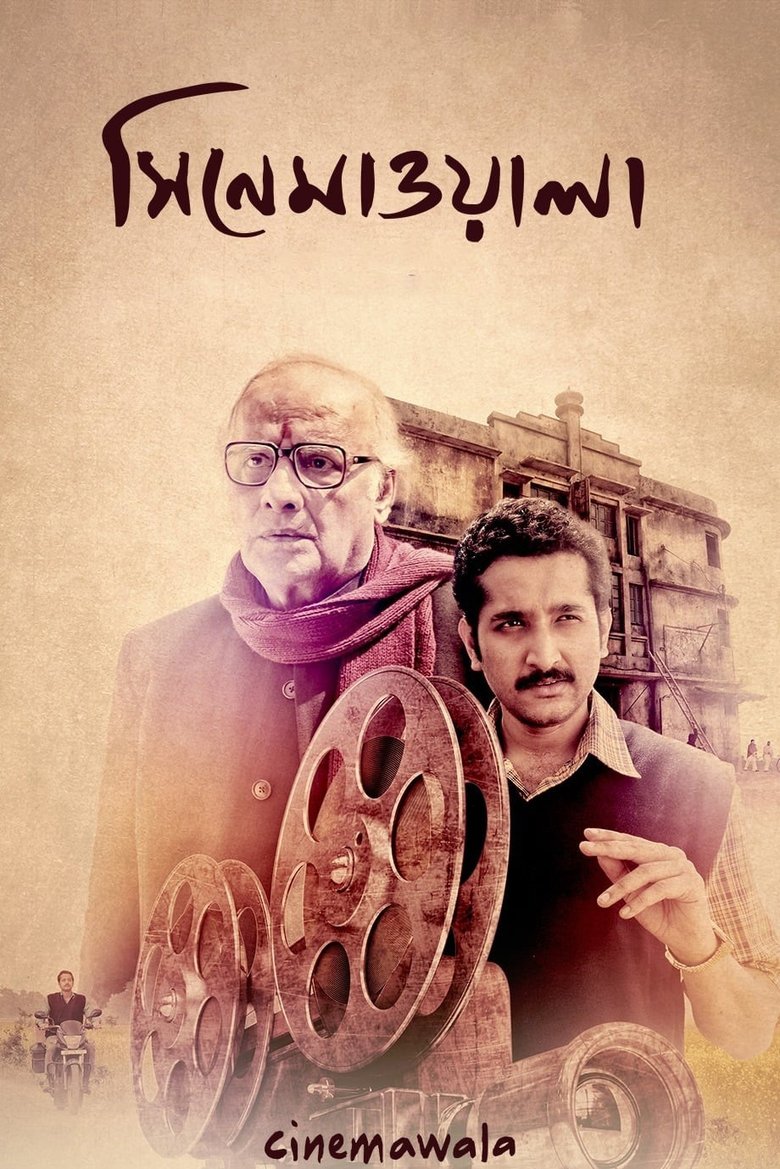
An old film exhibitor struggles to keep his cinema from being demolished. Meanwhile, his relationship with his immoral son deteriorates.
Overall Score
Good
Category Breakdown
LGBTQ+ Representation
The film shows moderate potential for non-traditional character studies. While specific queer identities are not explicitly confirmed, the director's history suggests a focus on non-normative social roles.
Gender Representation
The story centers on the breakdown of patriarchal structures. It challenges the archetype of the competent patriarch through the protagonist's struggle and his son's perceived immorality.
Racial & Ethnic Diversity
As a localized Bengali production, the film offers strong regional identity. It resists Western-centric storytelling by focusing on specific local socio-economic struggles.
Religious & Cultural Diversity
The narrative critiques capitalist expansion and the displacement of traditional institutions. It deconstructs the sanctity of the family unit, portraying it as a site of dysfunction.
Disability Representation
There is no evidence regarding the portrayal of physical or neurodivergent disabilities in the narrative.
Strengths
Areas for Improvement
AI Analysis
Cinemawala serves as a poignant study of systemic displacement and the erosion of traditional authority. By centering on an aging film exhibitor fighting demolition, the film uses the loss of analog celluloid as a metaphor for fading cultural heritage. The film excels in its localized perspective, offering a deeply Bengali narrative that resists globalized homogenization. It prioritizes character-driven truths over rigid societal norms, particularly through its exploration of fractured familial hierarchies. However, the film's focus on a specific patriarchal breakdown and the lack of explicit representation for disability or specific queer identities limits its broader inclusivity scores.
2017

1984

2011
2018
1988

2017
2023
2009

2019

2016

2013
2016
No reviews yet. Be the first to share your thoughts on this movie!
Use the rating form above to leave a star rating and optional review.