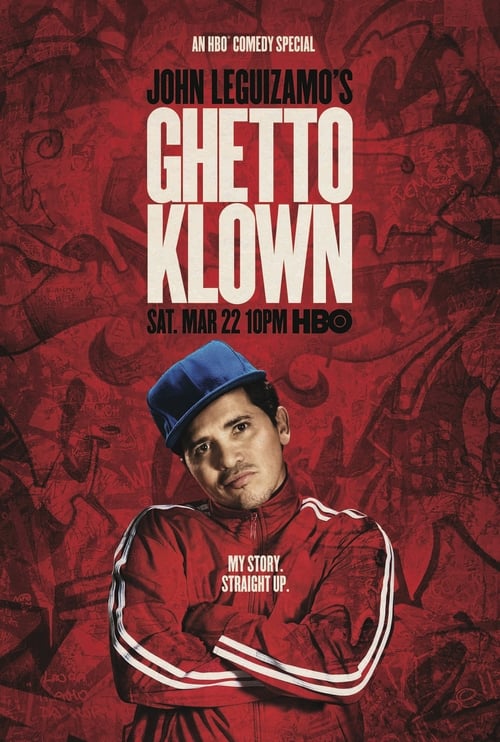
John Leguizamo: Ghetto Klown
2014
No user ratings available yet
Diversity score: 7.0 out of 10
1998
Not RatedDirector
Spike Lee
Runtime
90 minutes
Average Rating
No ratings yetSynopsis
John Leguizamo's semi-falsified, one-man stand-up performance as...himself. This is his autobiographical story, about his life growing up, and his journey to try to be accepted by his father. We see this story through a bizarre myriad of characters and situations, which include the eccentric Uncle Sanny, the Fat Boy Called Bitch (John's little brother, Poochie), his mom, his evil grandmothers, and Lee Stratsberg, not to mention a brief appearance by Cantinflas as God.
Overall Score
Good
Category Breakdown
LGBTQ+ Representation
The performance hints at a departure from heteronormative storytelling through its bizarre character variety. However, there is no explicit evidence of queer identities or same-sex intimacy.
Gender Representation
Female characters, such as the mother and evil grandmothers, avoid traditional nurturing tropes. They are presented through lenses of eccentricity or antagonism rather than domestic stability.
Racial & Ethnic Diversity
The film centers a Latino protagonist and utilizes a wide array of characters to explore non-Anglo-Saxon perspectives. The inclusion of Cantinflas as a divine figure is culturally significant.
Religious & Cultural Diversity
The narrative deconstructs the idealized nuclear family by portraying members as eccentric or dysfunctional. It also prioritizes non-Western spiritual archetypes by casting a cultural icon as God.
Disability Representation
There is no specific evidence regarding the portrayal of physical or neurodivergent disabilities within the performance.
Strengths
Areas for Improvement
AI Analysis
John Leguizamo: Freak succeeds as a subversive autobiographical piece that challenges Western-centric norms. By centering Latinx identity and utilizing Spike Lee's directorial pedigree, the work moves beyond simple entertainment to critique social and religious hierarchies. The film's strength lies in its ability to reshape power dynamics, particularly through the use of cultural icons to represent divinity. It replaces the sanitized version of family life with a complex, often disruptive reality. While the work excels in racial and cultural depth, it lacks explicit representation for LGBTQ+ identities and disability. The gender portrayals, while non-traditional, focus more on archetypal eccentricity than on diverse female agency.
2014
2002
2014
2017

2025
2017
1995
2019
1994

2018
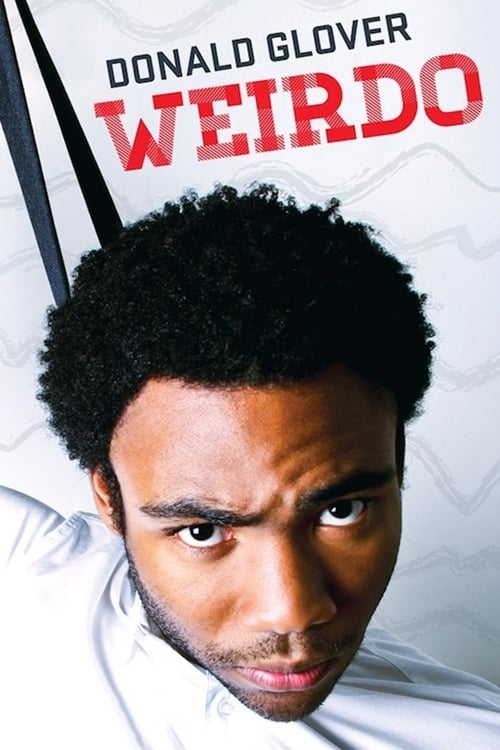
2012
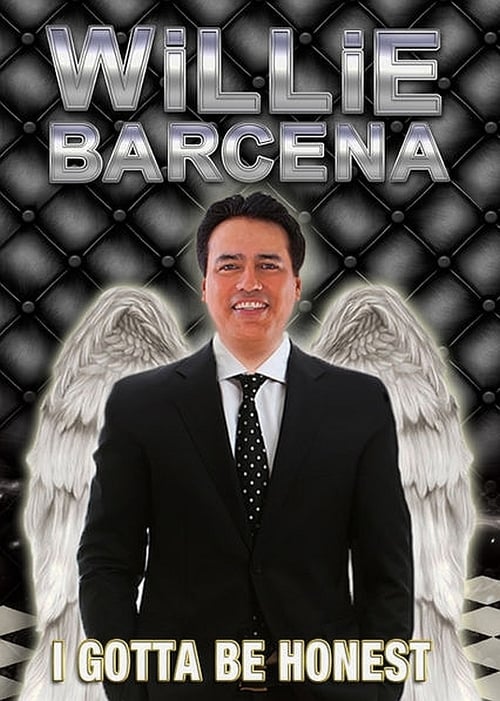
2012
No reviews yet. Be the first to share your thoughts on this movie!
Use the rating form above to leave a star rating and optional review.