
Crisol
1967
No user ratings available yet
Representation score: 1.8 out of 10
Representation Score
Minimal
1959
ApprovedDirector
Jack Arnold
Runtime
77 minutes
Average Rating
No ratings yetNew Showbiz Analysis
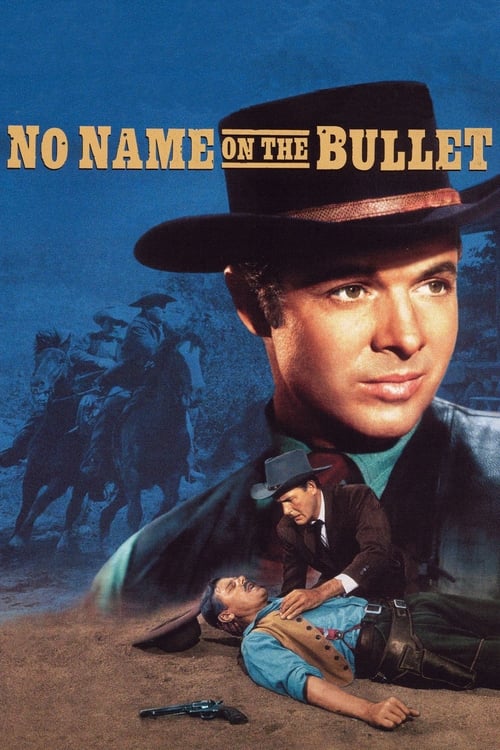
No Name on the Bullet is a conventional Western that prioritizes psychological tension over social breadth. The film studies paranoia within a homogeneous social vacuum, where the central conflict is driven almost exclusively by male interactions and survival instincts. While the film successfully deconstructs social trust and explores situational ethics, it lacks the intentionality to represent diverse identities. The cast and narrative structure remain firmly rooted in the traditionalist standards of the late 1950s, offering little room for multi-layered representation.
Category Breakdown
The film adheres to strict mid-century standards that assume everyone is straight or cisgender. There are no depictions of non-binary gender identities or same-sex relationships.
The narrative centers around male characters and their interactions. Female characters play secondary, reactive roles without having much influence over the main storyline.
The cast is overwhelmingly white, reflecting the casting practices of 1959. The film presents a predominantly white social environment with little ethnic diversity.
The story explores moral ambiguity and the breakdown of communal trust. It focuses on individualistic self-preservation rather than critiquing Western institutions.
No visible or invisible disabilities are shown. There are no characters with disabilities used as central arcs or plot devices.
Present on Screen
Limited or Absent
Official Synopsis
When hired killer John Gant rides into Lordsburg, the town's folk become paranoid as each leading citizen has enemies capable of using the services of a professional killer for personal revenge.
1967
1953
2010
1942
1957
1961
1970

1968
No reviews yet. Be the first to share your thoughts on this movie!
Use the rating form above to leave a star rating and optional review.