Barrio Wars
2002
No user ratings available yet
Representation score: 4.3 out of 10

Representation Score
Excellent
2005
Director
Dominic Savage
Runtime
80 minutes
Average Rating
No ratings yetNew Showbiz Analysis
Dominic Savage utilizes British Social Realism to deconstruct social hierarchies through a gritty, observational lens. The film's primary strength is its structural approach to racial and ethnic diversity, moving beyond including someone from a minority group without giving them real depth to critique post-colonial urban dynamics. By centering a multi-ethnic, working-class landscape, the film offers a nuanced study of identity politics. It effectively uses the friction between different family groups to examine systemic social failures rather than presenting a homogeneous community. However, the film's scope is narrow regarding other underrepresented identities. The lack of LGBTQ+ ability to act and disability representation limits the breadth of its social commentary, focusing almost exclusively on race and class.
Category Breakdown
The film focuses on ethnic and class tensions rather than queer-specific narratives. While it explores human intimacy, there is no prominent depiction of non-traditional gender identities or explicit LGBTQ+ ability to act.
Women are depicted with ability to act, navigating complex interpersonal struggles within a patriarchal environment. The film also avoids stable masculinity archetypes, instead portraying masculinity as often fraught and unstable.
The narrative excels by using a Shakespearean framework to explore friction between an Islamic Pakistani family and prejudiced English families. It prioritizes the ability to act of characters of color within high-tension socioeconomic contexts.
The story critiques the friction between religious identity and secular urban life. It avoids a moralistic lens, instead highlighting how systemic inequality drives conflict within underrepresented working-class communities.
There is no significant evidence of characters with visible or invisible disabilities driving the plot. The narrative focus remains centered on ethnic and class-based conflicts.
Present on Screen
Limited or Absent
Official Synopsis
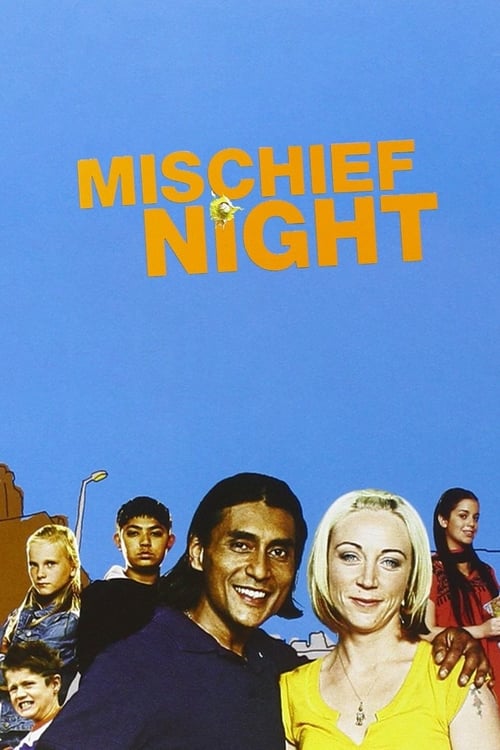
This movie is a contemporary UK vision of an age old story as epitomised by Shakespeare, but with two at odds relationships adding a layer of complication. The situation, a volatile northern English town, typically Bradford, and characters, one Islamic Pakistani family and two prejudiced English families loosely representing the Capulets and the Montagues.
2002

2004
2006

2015
1998

2005
2002

1994
No reviews yet. Be the first to share your thoughts on this movie!
Use the rating form above to leave a star rating and optional review.