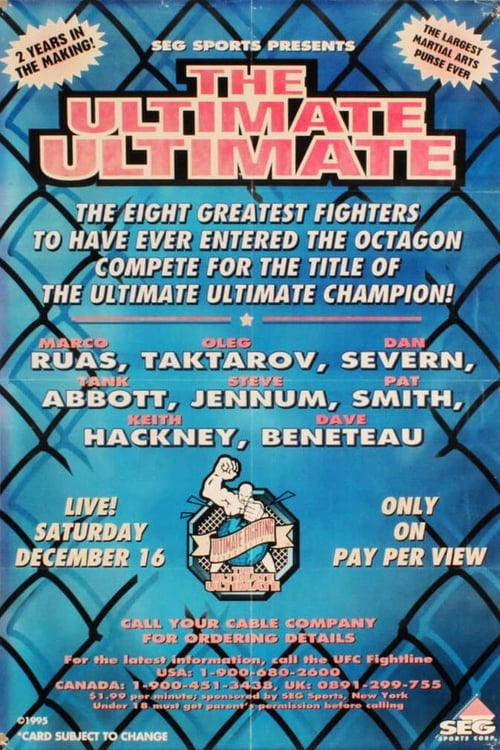
UFC 7.5: The Ultimate Ultimate
1995
No user ratings available yet
Representation score: 0.8 out of 10
Representation Score
Minimal
1997
Runtime
137 minutes
Average Rating
No ratings yetNew Showbiz Analysis
UFC 15.5 marks a significant step in the globalization of mixed martial arts by moving the organization beyond United States territories for the first time. The event's diversity is shown through its international roster of athletes rather than through character development in the story. While the event successfully presents a multicultural group of fighters, it remains limited to the confines of professional combat sports. The focus is on physical meritocracy and traditional masculine roles, which limits broader representation of different aspects of identity. Overall, the event offers a meaningful shift from homogeneous athletic presentations through its Japanese setting and diverse combatants, though it lacks representation for gender, disability, or LGBTQ+ identities.
Category Breakdown
The broadcast focuses entirely on professional combat competition. There are no depictions of LGBTQ+ identities or stories that challenge the idea that everyone is straight or cisgender.
The event features only male fighters and emphasizes traditional masculinity through its focus on physical strength and dominance in heavy-weight competition.
The event includes a diverse international roster, featuring prominent Japanese martial artists like Kazushi Sakuraba. This helps break the previous trend of the sport being centered around the United States.
The tournament highlights a mix of Western mixed martial arts and Japanese martial arts traditions. However, it does not provide much insight into the socio-political or ideological aspects of these cultures.
There is no visible representation of physical or cognitive disabilities among the athletes or within the event production.
Present on Screen
Limited or Absent
Official Synopsis
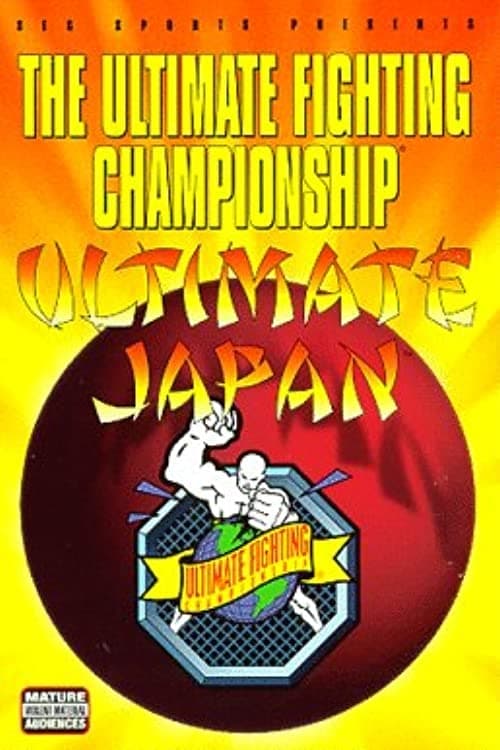
UFC Japan: Ultimate Japan (aka UFC 15.5) was a mixed martial arts event held by the Ultimate Fighting Championship on December 21, 1997, in Yokohama, Japan. The event was seen on pay per view in the United States, on cable TV in Japan, and was later released on home video. It featured a four-man heavyweight tournament, the first ever UFC Middleweight Championship bout, a Heavyweight Championship bout, a Superfight and was the first UFC appearance of MMA legends Kazushi Sakuraba and Frank Shamrock. It was the first event to be located in a country other than the United States or its territories.
1995
1996
1997
1999
1995
2005
1994
2003
No reviews yet. Be the first to share your thoughts on this movie!
Use the rating form above to leave a star rating and optional review.