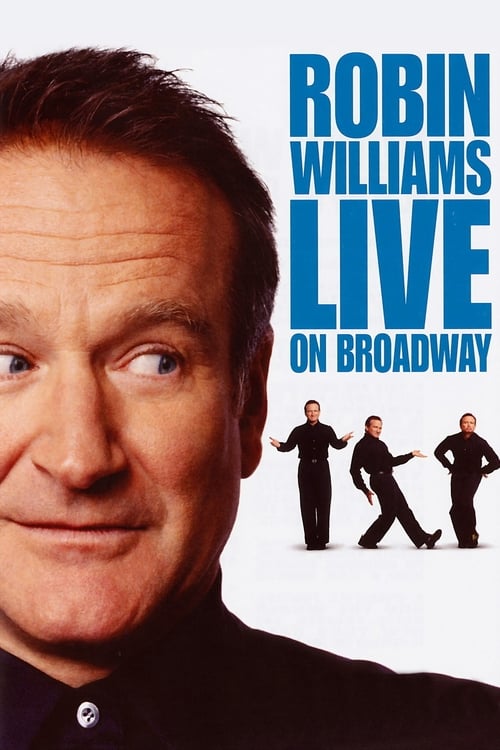
Robin Williams: Live on Broadway
2002
No user ratings available yet
Representation score: 4.7 out of 10

Representation Score
Minimal
2014
TV-MADirector
Des McAnuff
Runtime
119 minutes
Average Rating
No ratings yetNew Showbiz Analysis
As a filmed solo stage performance, the work is inherently centered around a single, traditional perspective. The biographical monologue format prioritizes personal nostalgia and observational humor over diverse character ensembles or systemic critiques. The narrative structure reinforces conventional social structures and personal history, limiting its engagement with multi-layered identities or non-traditional social dynamics.
Category Breakdown
The performance focuses solely on the comedian's personal history and does not include any LGBTQ+ characters or narratives about non-cisgender identities.
The narrative centers on traditional gender roles and family structures, depicting the comedian's wife and family in a conventional manner.
The production is centered around a white male performer, with the Manhattan jazz scene mentioned but no focus on racial diversity.
The work emphasizes traditional Western values such as family and personal legacy, lacking themes of secularism or deconstruction of traditional social norms.
There are no characters with visible or invisible disabilities, nor are there narratives shaped by neurodivergence or physical health conditions.
Present on Screen
Limited or Absent
Official Synopsis
In 700 Sundays, legendary comedian and actor Billy Crystal tells the stories of his youth, growing up in the jazz world of Manhattan, his teenage years, and finally adulthood. The Tony Award-winning show is a funny and poignant exploration of family and fate, loving and loss.
2002
2017
2022

2019
1977
2018
2023
2011
No reviews yet. Be the first to share your thoughts on this movie!
Use the rating form above to leave a star rating and optional review.