
Happy Tears
2009
No user ratings available yet
Diversity score: 3.1 out of 10
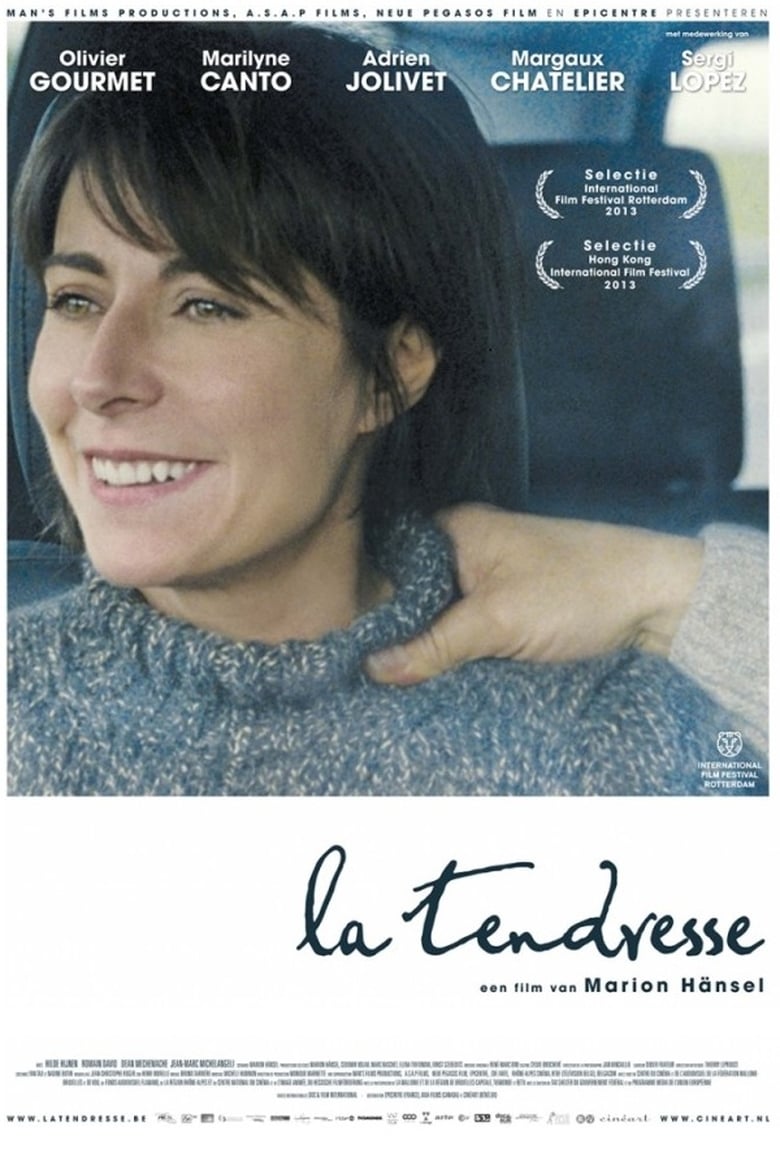
2013
Director
Marion Hänsel
Runtime
78 minutes
Average Rating
No ratings yetSynopsis
This is the first film by Hänsel based entirely on her own script and gives a wise and loving significance to the concept of personal and anecdotal. With beautiful leading roles by Canto as mother and Gourmet as her ex. Together, they drive to a ski resort to fetch their son, a ski instructor with a broken leg.
Overall Score
Limited
Category Breakdown
LGBTQ+ Representation
The film centers on traditional familial structures and the maternal bond. There is no evidence of non-cisnormative gender identities or narratives that challenge heteronormativity.
Gender Representation
The narrative provides meaningful representation by centering on the mother's emotional agency and experience. However, the mid-century setting suggests characters still operate within traditional social constraints.
Racial & Ethnic Diversity
The cast is primarily white and European, reflecting the Belgian historical context. The film does not actively seek to disrupt the demographic homogeneity of the period.
Religious & Cultural Diversity
The story prioritizes personal, anecdotal truth over religious dogma. It remains grounded in traditional Western social structures rather than deconstructing them.
Disability Representation
A character's broken leg serves as a narrative catalyst for the journey. The injury functions as a plot device rather than a central theme of identity.
Strengths
Areas for Improvement
AI Analysis
Marion Hänsel’s debut is an intimate, auteur-driven study of memory and family. It succeeds in providing a nuanced, female-centric perspective by focusing on the maternal bond and emotional nuances of the mid-20th century. However, the film's commitment to historical realism results in a lack of intersectional diversity. The narrative adheres strictly to the demographic and social norms of its Belgian setting, offering little subversion of traditional hierarchies. Ultimately, the film is a character-driven drama that prioritizes emotional intimacy over systemic critique or social disruption.
2009

2018

2009

2017

2022
2011
2012

2018

2014
2009

2009
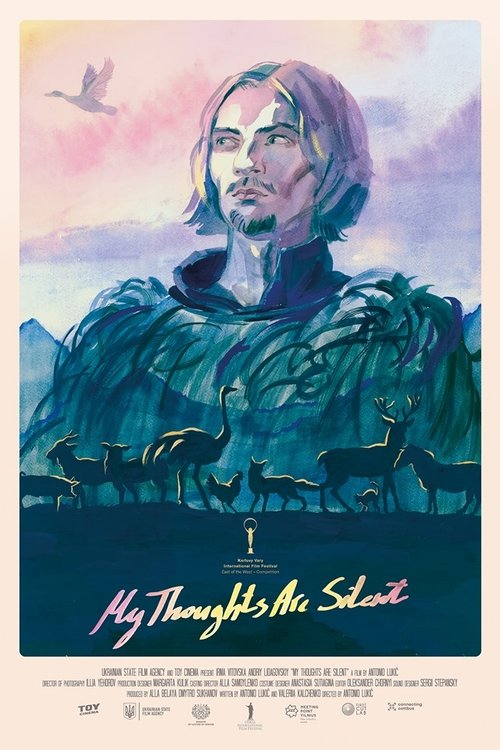
2020
No reviews yet. Be the first to share your thoughts on this movie!
Use the rating form above to leave a star rating and optional review.