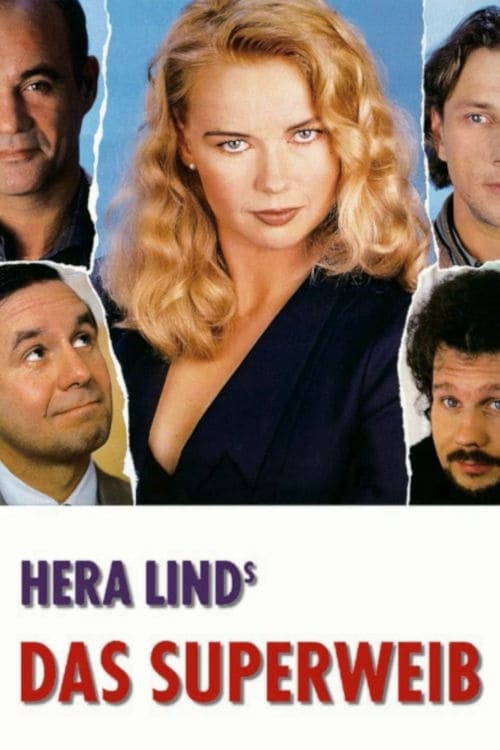
The Superwife
1996
No user ratings available yet
Representation score: 3.9 out of 10
Representation Score
Good
1985
12Director
Pia Frankenberg
Runtime
88 minutes
Average Rating
No ratings yetNew Showbiz Analysis
Pia Frankenberg’s work provides a realistic portrayal of social issues by focusing on the interplay of professional ability to act and immigrant life. The film opts for an observational style that captures the raw realities of 1980s West Germany without idealizing them. By making the Portuguese community a central part of the narrative, the film creates a multifaceted picture of a multicultural society rather than a uniform one. This approach avoids including someone from a minority group without giving them real depth. While the film effectively addresses gender and ethnic representation, it does not engage with LGBTQ+ themes or disability representation. This limits its scope in certain areas of social critique.
Category Breakdown
The film centers on the romantic relationship between Martha and Alfred but does not include characters with queer identities or non-straight relationships.
Martha is portrayed as a central character driven by her professional passion and active role. Her roles as a filmmaker and mother challenge traditional gender roles and domestic stereotypes.
The story incorporates immigrant experiences by having Martha live with a Portuguese family. This highlights a nuanced approach to multiculturalism within the context of 1980s West Germany.
The film employs sarcastic humor to critique social systems and the complexities of integration. It portrays the everyday realities of living in West Germany during the 1980s.
There is no depiction of characters with physical or neurodivergent disabilities in this film.
Present on Screen
Limited or Absent
Official Synopsis
Martha lives in Hamburg with her young son and makes films with real passion. To stay close to the pulse of society, she has moved in with a Portuguese family. Teresa helps foreigners navigate bureaucracy, while Martha tries to build a romance with Alfred. Their shared everyday life reflects West German realities, captured spontaneously and with sarcastic wit.
1996
1999
2002
1985
1972

1989
2008

2005
No reviews yet. Be the first to share your thoughts on this movie!
Use the rating form above to leave a star rating and optional review.