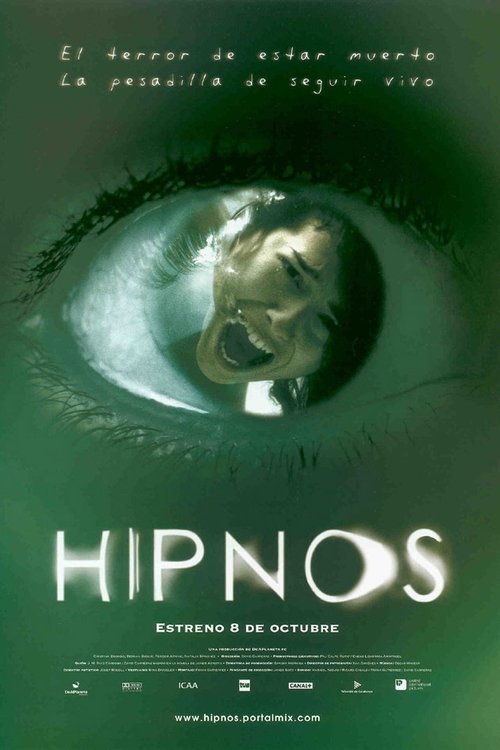
Hipnos
2004
No user ratings available yet
Representation score: 7.1 out of 10
Representation Score
Good
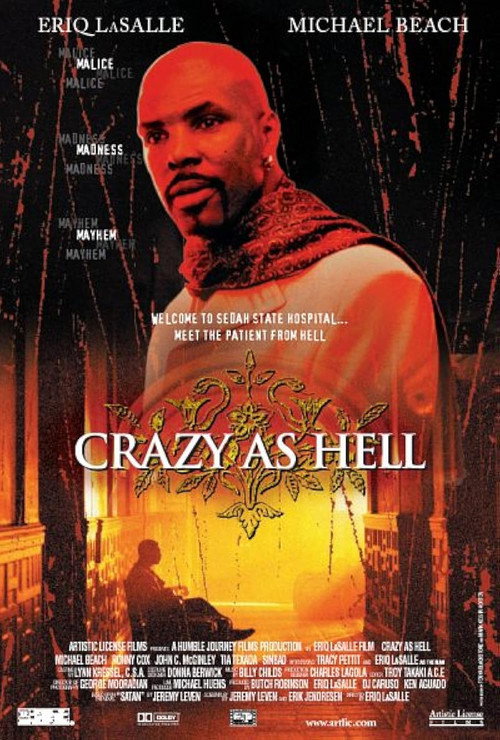
2002
RDirector
Eriq La Salle
Runtime
113 minutes
Average Rating
No ratings yetNew Showbiz Analysis
Crazy As Hell stands out by focusing on the subjective perceptions of a psychiatrist, thereby avoiding rigid moral hierarchies typical in psychological thrillers. The film's commitment to moral ambiguity and questioning institutional authority sets it apart. One of the film's key strengths lies in its casting, placing Black actors in authoritative, professional roles. This disrupts the genre’s historical homogeneity and offers a more diverse backdrop for its intricate narrative. However, the film falls short in providing a significant role in driving the story or complex character arcs for female characters, and it lacks any exploration of LGBTQ+ identities or dynamics.
Category Breakdown
The film centers on the psychological tension between the protagonist and a patient who claims to be a supernatural entity. There is no explicit exploration of LGBTQ+ characters or critiques of the assumption that everyone is straight or cisgender.
The movie delves into the vulnerabilities of Dr. Ty Adams through his grief over his daughter. While it challenges the 'invincible male expert' cliché, female characters play mostly emotional roles and have limited control over their own stories.
The film showcases a diverse cast, including Black actors Michael Beach and Eriq La Salle, who take on central, actively leading professional roles. This challenges traditional casting conventions in the psychological thriller genre.
The film highlights moral ambiguity by questioning perceived reality and prioritizing subjective truth over institutionalized morality. It avoids rigid moral hierarchies common in psychological thrillers.
The psychiatric hospital setting explores mental health and neurodivergence. However, there is a risk of using mental illness as a supernatural metaphor rather than showing patients taking active roles in their own narratives.
Present on Screen
Limited or Absent
Official Synopsis
A famous psychiatrist (Ty Adams) takes on the job of trying to cure patients at the Sedah State Hospital, run by it's folksy doctor (Sam Delazo). All this takes a strange turn when a mysterious patient (Satan, he calls himself) enters the Hospital seeking help. Or is it just help that he wants?
2004
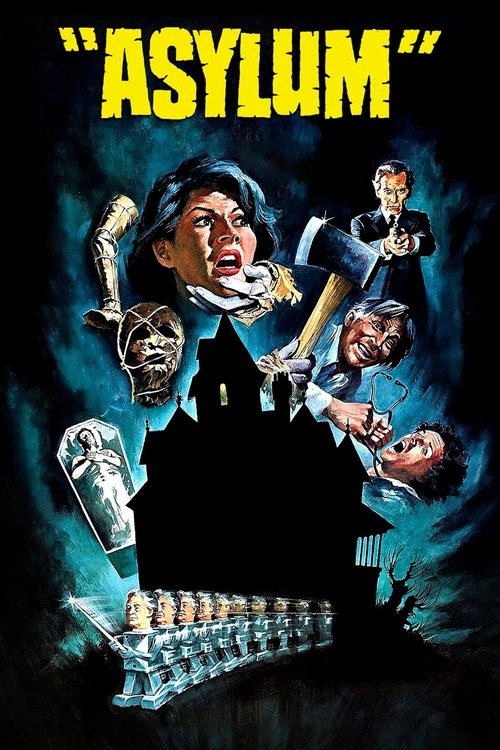
1972
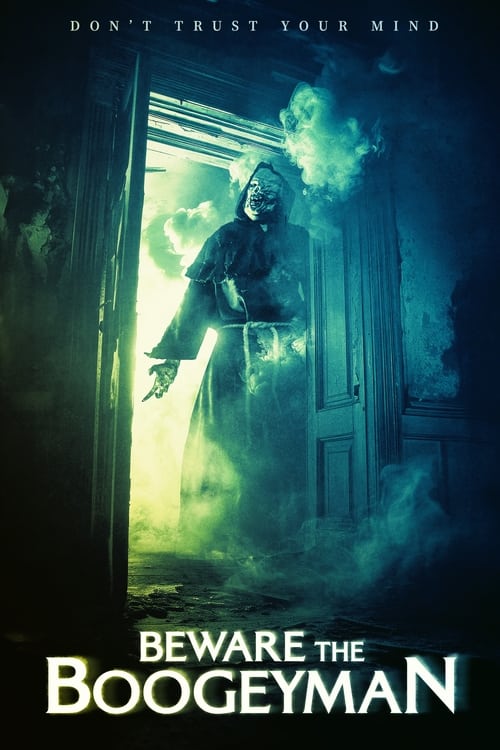
2024
2014
2008

1999
2018
1990
No reviews yet. Be the first to share your thoughts on this movie!
Use the rating form above to leave a star rating and optional review.