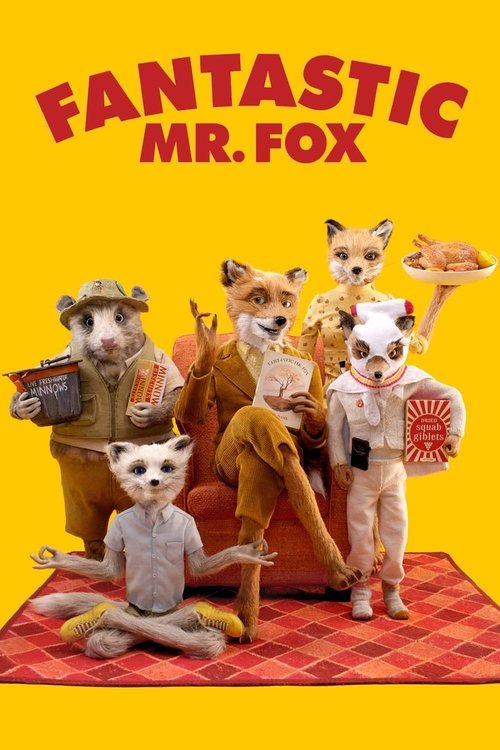
Fantastic Mr. Fox
2009
No user ratings available yet
Representation score: 5.9 out of 10
Representation Score
Limited
2008
GDirector
Sacha Goedegebure
Runtime
8 minutes
Average Rating
No ratings yetNew Showbiz Analysis
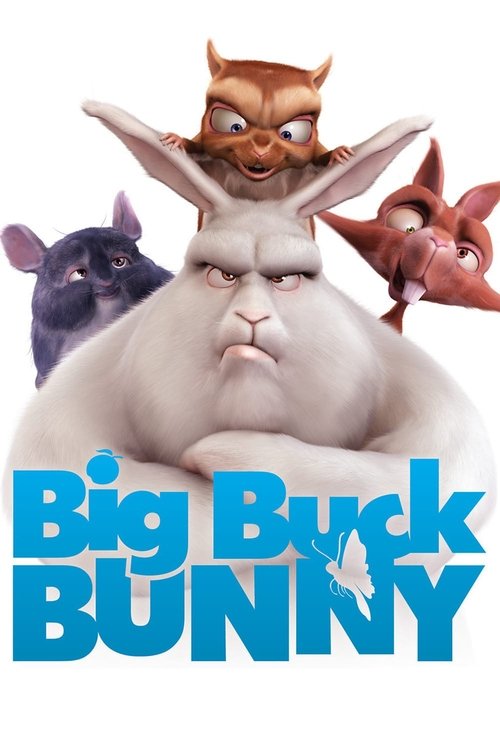
Big Buck Bunny is a technical demonstration of open-source animation that emphasizes slapstick humor over social complexity. The narrative depends on physical storytelling and archetypal character dynamics rather than exploring identity-based issues. While the film avoids harmful stereotypes, it does not aim to disrupt traditional structures. The focus remains on a straightforward conflict between a gentle protagonist and smaller, antagonistic characters. Without human characters or social identifiers, the film is neutral rather than inclusive, lacking meaningful characters who reflect more than one aspect of diversity.
Category Breakdown
The film features anthropomorphic animals and does not include any queer themes, same-sex relationships, or non-cisgender identities.
Gender roles are not prominent in the story, with characters defined mainly by their size and behavior. The film avoids traditional gender hierarchies but does not offer nuanced portrayals of masculinity or femininity.
Since the characters are non-human animals, there are no human racial or ethnic markers. The narrative centers on a contrast between gentle giants and mischievous bullies.
The story presents a secular, nature-focused world without religious elements. It follows a traditional justice arc set in a neutral, pastoral environment that does not emphasize specific cultural beliefs.
There is no depiction of physical disabilities or neurodiversity. Characters are portrayed as personality types rather than individuals with complex lived experiences or control over their actions.
Present on Screen
Limited or Absent
Official Synopsis
Follow a day of the life of Big Buck Bunny when he meets three bullying rodents: Frank, Rinky, and Gamera. The rodents amuse themselves by harassing helpless creatures by throwing fruits, nuts and rocks at them. After the deaths of two of Bunny's favorite butterflies, and an offensive attack on Bunny himself, Bunny sets aside his gentle nature and orchestrates a complex plan for revenge.
2009
2002
2006
2002
2010
2000
2000
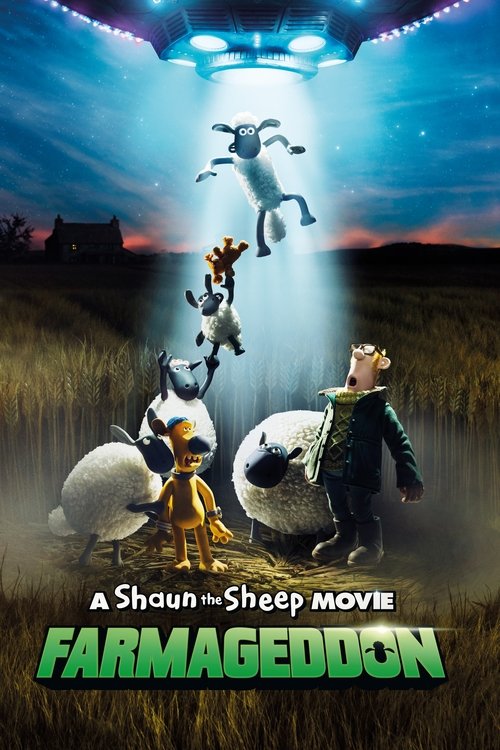
2019
No reviews yet. Be the first to share your thoughts on this movie!
Use the rating form above to leave a star rating and optional review.