
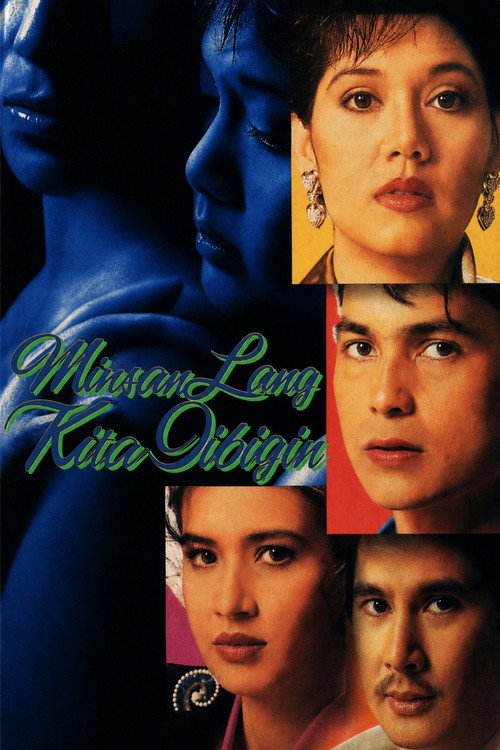
Dapat Ka Bang Mahalin?
1984
No user ratings available yet
Representation score: 3.0 out of 10
Representation Score
Fair
1994
TV-14Director
Chito S. Roño
Runtime
108 minutes
Average Rating
No ratings yetNew Showbiz Analysis
I Will Only Love You Once is a culturally significant piece of Philippine cinema that offers a non-Western perspective. Its strength lies in its focus on female-driven conflict and the emotional landscapes of its protagonists. While the film provides ethnic specificity and autonomy, it operates largely within the conventional framework of the romantic drama genre. The narrative relies on traditional emotional clichés common to melodrama. The work lacks explicit evidence of broader characters who reflect more than one aspect of diversity or queer identities.
Category Breakdown
The film highlights the emotional bonds and intimacy between two women. However, it does not explicitly address queer identities or challenge the assumption that everyone is straight or cisgender.
The story centers on women's ability to drive the narrative and the consequences of their choices. It emphasizes female desire and interpersonal loyalty over patriarchal stability.
As a Philippine production, the film features a non-Western cast and cultural context. It prioritizes local identities and social structures outside of Western cinematic norms.
The narrative delves into moral ambiguity and the complexities of interpersonal ethics. It engages with themes of subjective morality through the lens of a traditional melodrama.
There are no visible or mentioned depictions of physical or neurodivergent disabilities in the narrative.
Present on Screen
Limited or Absent
Official Synopsis
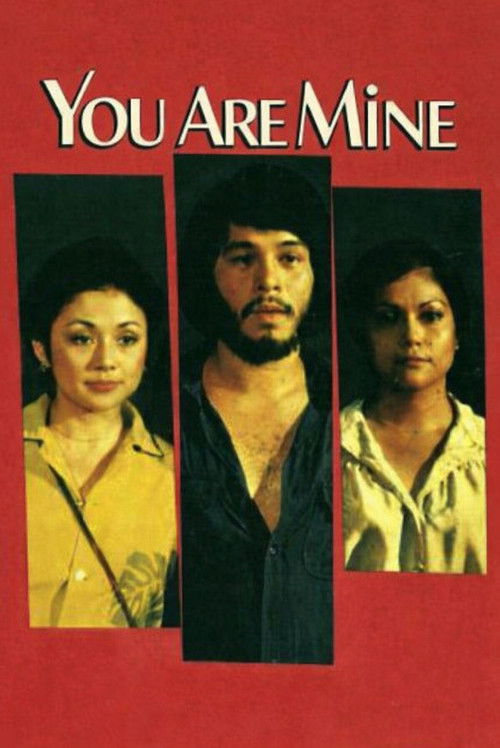
A close friendship between two women is shattered when one of them seeks temporary solace in the other's husband.
1984
2002
1992
2002

1982

1998
1978

1985
No reviews yet. Be the first to share your thoughts on this movie!
Use the rating form above to leave a star rating and optional review.