Ruslan and Lyudmila. More Than a Fairy Tale
2023
No user ratings available yet
Representation score: 2.8 out of 10
Representation Score
Limited
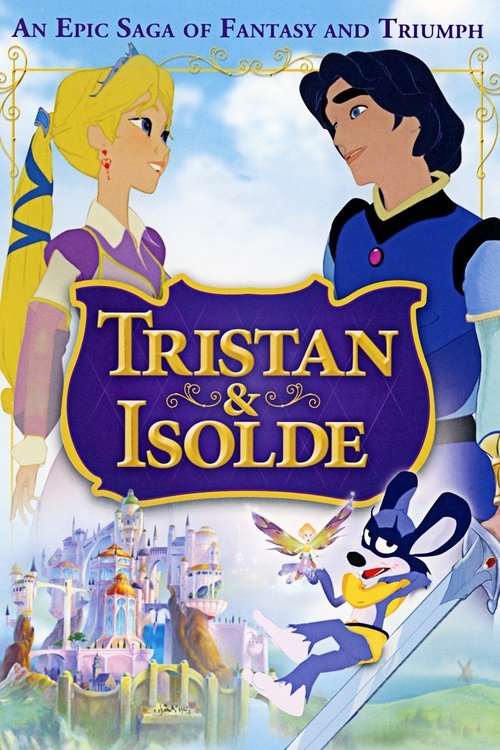
2002
Not RatedDirector
Thierry Schiel
Runtime
83 minutes
Average Rating
No ratings yetNew Showbiz Analysis
Tristan & Isolde (2002) functions as a traditionalist adventure that leans heavily on established folklore clichés. The narrative structure prioritizes a classic romantic destiny over any intentional disruption of social hierarchies. While magical characters like Puck and Teazle add flavor to the world, they do not expand the film's social scope. The story remains anchored in Eurocentric fantasy and conventional gender roles. Ultimately, the film serves as a standard genre piece that celebrates traditional heroism rather than pursuing multi-layered or postmodern themes.
Category Breakdown
The story centers around a traditional romantic relationship between Tristan and Isolde. There is no indication of non-binary or LGBTQ+ identities or narratives that challenge the assumption that everyone is straight or cisgender.
Teazle provides a strong female character that offers some ability to act. However, the central plot relies on traditional 'brave knight' and 'beautiful princess' clichés.
The setting adheres to Eurocentric folklore conventions involving knights and princesses. The cast appears to default to the homogeneous casting typical of Western fantasy.
The film operates within classical Western romanticism and chivalry. It utilizes a binary moral structure rather than exploring complex cultural critiques.
The narrative contains no mention of characters with visible or invisible disabilities. No assessment of representation can be made.
Present on Screen
Limited or Absent
Official Synopsis
Who's afraid of giants and dragons when you've got love and a couple of magical mischief-makers on your side? In a magical land, the brave knight Tristan and the beautiful Princess Isolde meet and fall in love. The evil schemes of envious Baron Ganelon threaten their love, but they'll get by with a little help from their friends-the wiley, wood-sprite Puck and a feisty fairy called Teazle.
2023
2005
1994
1980

1990

1998

2006
2002
No reviews yet. Be the first to share your thoughts on this movie!
Use the rating form above to leave a star rating and optional review.