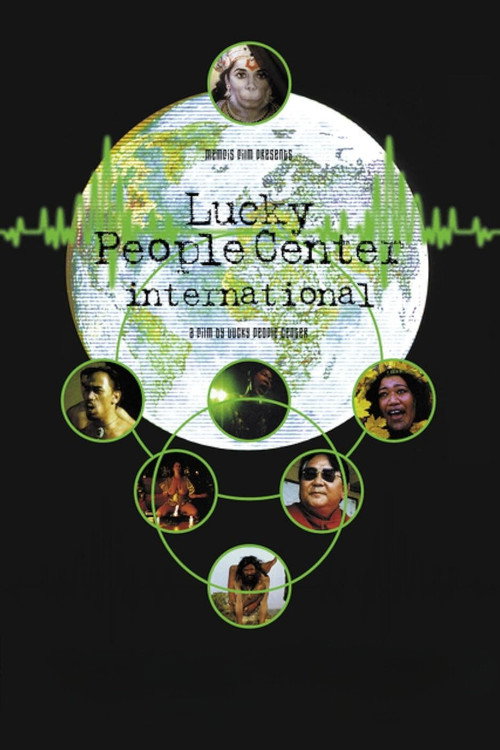
Lucky People Center International
1998
No user ratings available yet
Diversity score: 6.1 out of 10
2020
Director
Martín Sastre
Runtime
83 minutes
Average Rating
No ratings yetSynopsis
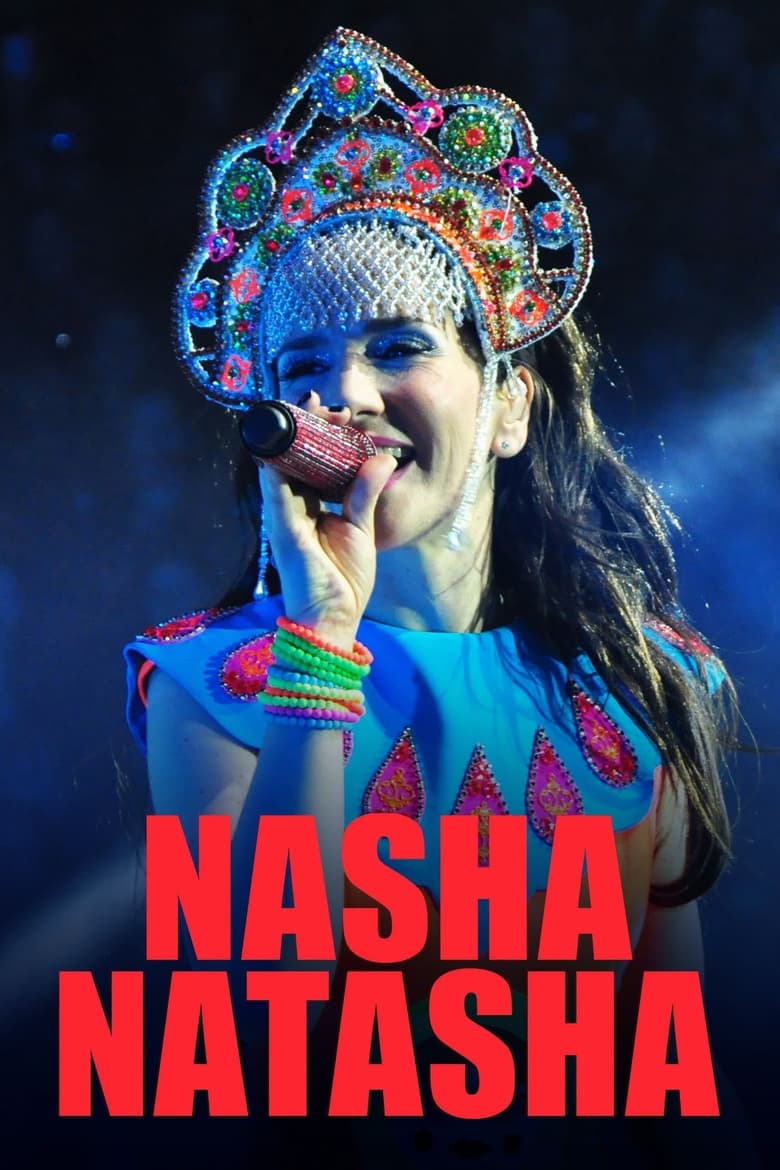
International pop star Natalia Oreiro returns to western Europe for a non-stop concert tour through seventeen cities around the former USSR, traveling in the Orient Express. In this first person journey, Natalia also explores her personal and intimate life that started in a blue-collar neighborhood in Montevideo, Uruguay, and went into becoming a world-wide star and a Russian icon.
Overall Score
Good
Category Breakdown
LGBTQ+ Representation
The film focuses on the personal and professional trajectory of Natalia Oreiro. There is no explicit evidence regarding the depiction of queer narratives or non-cisnormative identities.
Gender Representation
The narrative centers on a female protagonist's agency and professional autonomy. By positioning Oreiro as the primary driver, the film subverts traditional male-centric biographical tropes.
Racial & Ethnic Diversity
The film bridges Latin American and post-Soviet landscapes, challenging Western-centric celebrity hierarchies. It highlights the influence of a South American icon within a non-Anglo-centric global context.
Religious & Cultural Diversity
The documentary explores shifting identities and post-colonial transitions within the former USSR. It suggests a fluid, multi-polar cultural exchange rather than a singular Western pop culture dominance.
Disability Representation
There is no information regarding the depiction of physical or neurodivergent disabilities in this work.
Strengths
Areas for Improvement
AI Analysis
Nasha Natasha succeeds in disrupting conventional celebrity tropes by centering a Latin American woman within the complex cultural landscape of the former Soviet Union. The film's strength lies in its cross-cultural movement, tracing Oreiro's journey from Uruguay to her status as a Russian icon. However, the documentary remains a biographical exploration of a singular star. It does not explicitly engage in overt identity politics or provide clear representation for LGBTQ+ or disabled communities. Ultimately, the film offers a meaningful look at female agency and globalized identity, even if it lacks specific focus on broader social diversity themes.
1998

2014

2025

2019
2013

2015

2019

2012

2009

2020

2010

2008
No reviews yet. Be the first to share your thoughts on this movie!
Use the rating form above to leave a star rating and optional review.