
Meninas Não Choram
2024
No user ratings available yet
Representation score: 6.7 out of 10
Representation Score
Good
2014
Director
Katarina Launing
Runtime
102 minutes
Average Rating
No ratings yetNew Showbiz Analysis
Katarina Launing’s direction steers clear of melodrama, opting for a grounded, empathetic realism when dealing with pediatric illness. The film successfully disrupts traditional gender roles in sports and the emotional expectations placed on children. Though it lacks significant racial or cultural diversity, the film excels in providing a nuanced portrayal of chronic illness and patient autonomy. It avoids traditional clichés of suffering, focusing instead on authentic emotional experiences.
Category Breakdown
The film explores Jonas' bullying as a misguided expression of romantic interest, suggesting a hidden layer of adolescent affection. While it doesn't explicitly mention queer identities, it challenges the traditional portrayal of bullies.
Anja challenges gender stereotypes by playing soccer, a traditionally male-dominated sport. The narrative highlights her active role despite facing social pressures and physical challenges.
The story revolves around a predominantly white cast within a Norwegian setting. Although the cast includes various names, racial identity isn't a central theme.
The film emphasizes emotional authenticity over traditional stoic ideals. It avoids simplistic moralizing, focusing instead on the complex realities of illness and friendship.
Anja’s leukemia is portrayed as a lived experience rather than a symbolic plot device. The narrative centers on her autonomy and identity, avoiding the use of her illness as inspiration.
Present on Screen
Limited or Absent
Official Synopsis
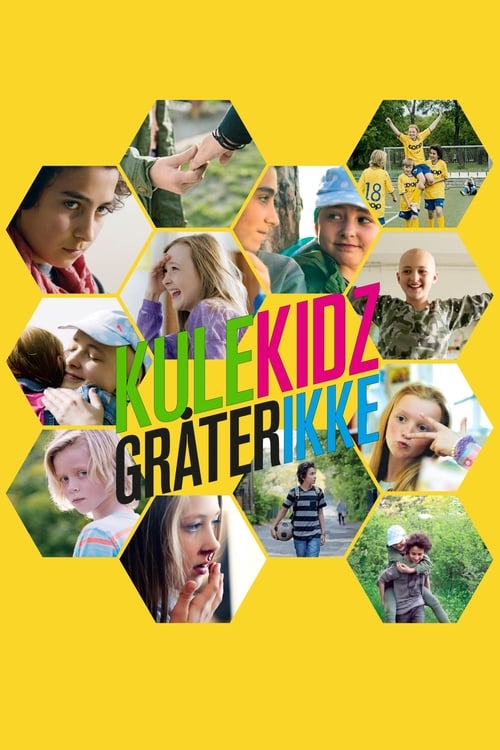
Norwegian children's film about football girl Anja who become seriously ill.
2024
2012

1997

2011
1996

1998

2010

2017
No reviews yet. Be the first to share your thoughts on this movie!
Use the rating form above to leave a star rating and optional review.