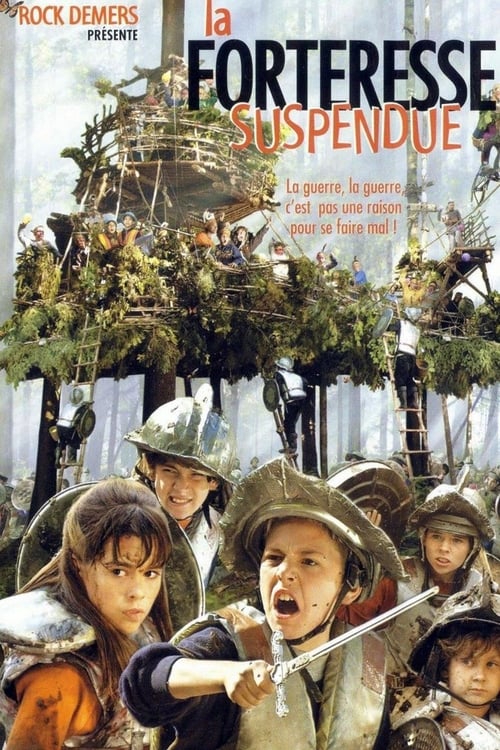
The Hidden Fortress
2001
No user ratings available yet
Diversity score: 3.7 out of 10
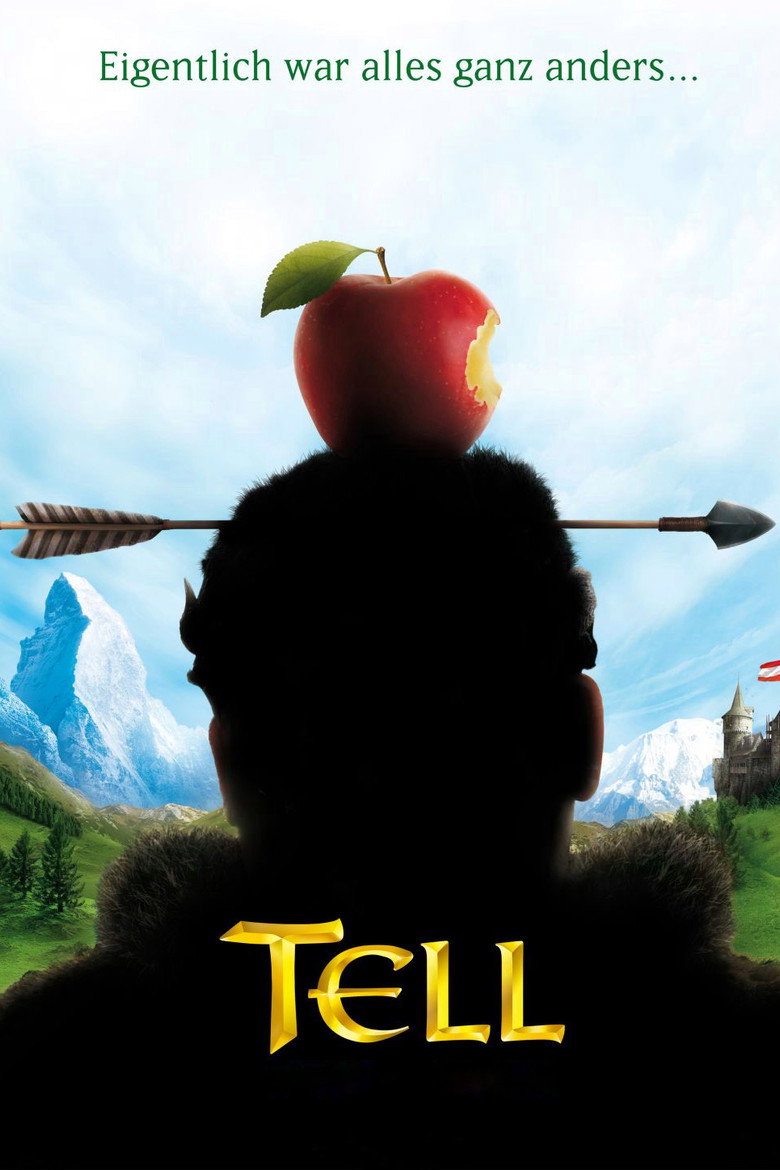
2007
Director
Mike Eschmann
Runtime
96 minutes
Average Rating
No ratings yetOverall Score
Limited
Category Breakdown
LGBTQ+ Representation
The film lacks any evidence of LGBTQ+ characters or non-cisnormative identities. There are no depictions of same-sex intimacy or engagement with queer frameworks.
Gender Representation
The narrative focuses on courtly intrigues and misguided patriotism. While it may subvert patriarchal leadership through comedic incompetence, there is a lack of clear, high-agency female empowerment.
Racial & Ethnic Diversity
The story maintains a homogeneous, Eurocentric focus centered on Swiss independence. It does not utilize diverse casting or race-bending to challenge the historical period's constraints.
Religious & Cultural Diversity
The film offers a parodic critique of nationalism and patriotic fervor. By framing history through comic chaos, it deconstructs the sanctity of the traditional nation-state mythos.
Disability Representation
There is no evidence of characters with physical, sensory, or neurodivergent disabilities. The film does not address disability representation within its comedic framework.
Strengths
Areas for Improvement
AI Analysis
Tell (2007) operates as a genre-based parody that prioritizes comedic absurdity over the solemnity of nationalistic myth-making. It succeeds in deconstructing the traditional hero's journey of William Tell, replacing grand epics with chaotic mishaps and courtly intrigues. However, the film lacks intentionality regarding intersectional representation. It functions as a localized critique of historical tropes rather than a progressive exploration of diverse human experiences, remaining largely confined to a traditional Eurocentric setting. Ultimately, the film's diversity is limited by its focus on historical Swiss folklore, which results in a lack of engagement with broader systemic hierarchies of race, gender, or identity.
2001

2004
2006
2013
2016
2010

2015
2010

2009

2011

2016
2018
No reviews yet. Be the first to share your thoughts on this movie!
Use the rating form above to leave a star rating and optional review.