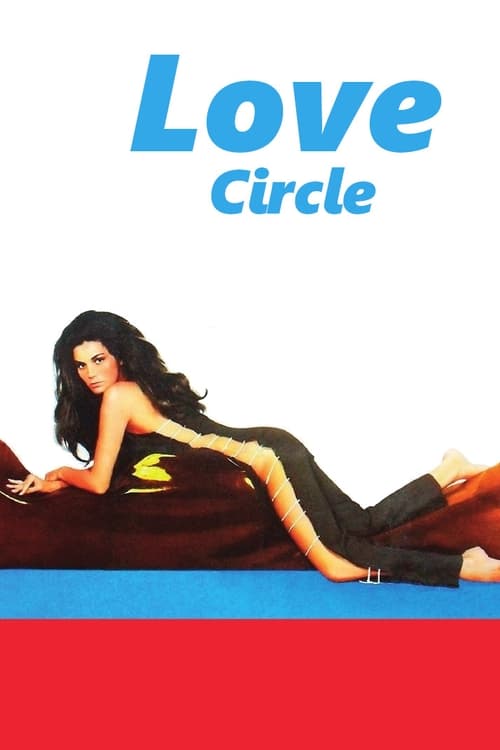
Love Circle
1969
No user ratings available yet
Representation score: 5.4 out of 10
Representation Score
Fair
1968
Director
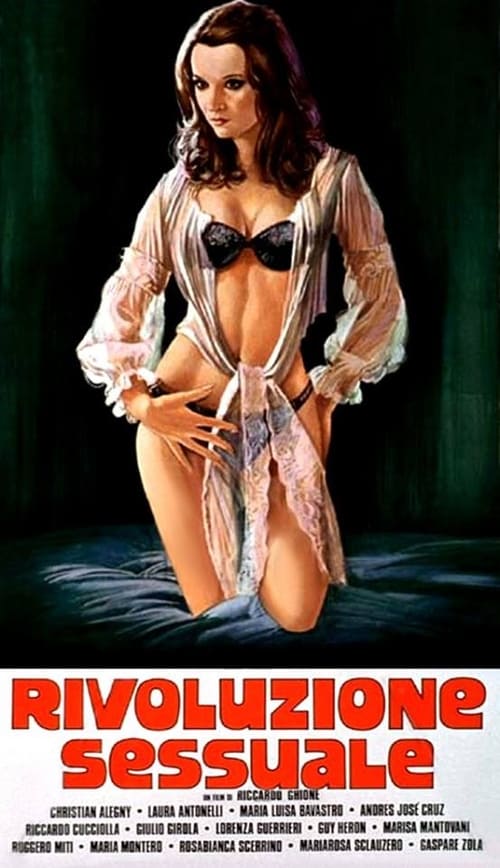
Riccardo Ghione
Runtime
92 minutes
Average Rating
No ratings yetNew Showbiz Analysis
This film functions as a sociological experiment, challenging traditional social structures through a controlled setting. Its strength lies in its radical approach to dismantling conventional gendered power dynamics and religious constraints via psychoanalytic theory. However, the film lacks multi-layered depth. Focusing on a randomized heterosexual experiment raises questions about racial diversity and LGBTQ representation, indicating a narrative constrained by the demographic norms of its time. Ultimately, the film is a study of breaking free from social taboos rather than a diverse character study, prioritizing the disruption of institutions over broad demographic inclusivity.
Category Breakdown
The film centers on a structured experiment involving heterosexual couples chosen randomly. While it aims to break down sexual taboos, there is no clear evidence of LGBTQ characters or non-straight identities.
The story challenges traditional gender roles by randomizing partnerships, removing conventional masculine authority and feminine submissiveness. This disrupts the usual social hierarchy.
The cast includes fourteen individuals of various ages, but there is no specific mention of racial or ethnic diversity. The group likely reflects the demographics typical of 1968.
The narrative explores secularism by rejecting traditional morality as restrictive. It emphasizes bodily autonomy and psychoanalytic theory over religious or state-imposed moral frameworks.
There is no information about characters with physical or neurodivergent disabilities in the narrative.
Present on Screen
Limited or Absent
Official Synopsis
Fourteen people of different ages - seven men and seven women - gather in a comfortable hotel by the sea to carry out an experiment inspired by the theories of an Austrian psychoanalyst. The creator - Professor Emilio Missiroli - wants to show that only a thousand breaking taboos' that stifle the sexual life can liberate man from his existential malaise. Every night, so, for a whole week, men and women of the group will couple through a draw, without giving any importance to their feelings, thus demonstrating that these can and should do without. Based on Wilhelm Reich's The Sexual Revolution.
1969
1969
1979
1976

1967
1986
1974
1977
No reviews yet. Be the first to share your thoughts on this movie!
Use the rating form above to leave a star rating and optional review.