The Oily Maniac
1976
No user ratings available yet
Representation score: 5.1 out of 10
Representation Score
Limited
1983
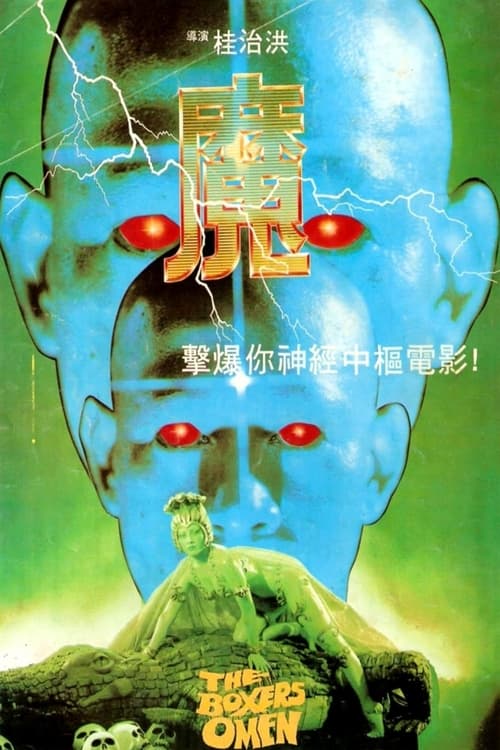
NRDirector
Kuei Chih-Hung
Runtime
105 minutes
Average Rating
No ratings yetNew Showbiz Analysis
Kuei Chih-Hung’s film is visually ambitious and expands the martial arts genre through surreal elements. It presents a culturally specific, non-Western spiritual world that avoids simplistic representations of regional identity. However, the film adheres to traditional masculine hierarchies. The narrative structure relies heavily on conventional gender roles and lacks diverse character development. While the cross-cultural storyline adds depth, the absence of diverse identity representation limits the overall impact.
Category Breakdown
The film focuses on traditional masculine pursuits of vengeance and spiritual mastery. There is no evidence of LGBTQ+ identities or same-sex relationships.
Male characters play central roles while female characters have limited involvement and remain in supporting roles.
The cast is mainly East Asian, reflecting its origins in the Shaw Brothers studio. The story explores Southeast Asian mysticism by moving between Chinese and Thai settings.
The film centers on Eastern spiritual traditions and karma-based justice. It emphasizes mystical morality over Western or secular storytelling.
A brother's disability serves as the main catalyst for the plot. However, the disability is used primarily as a device to motivate revenge.
Present on Screen
Limited or Absent
Official Synopsis
After his brother was crippled in the ring by a cheating Thai boxer, Chan Hung goes to Thailand to avenge him, and finds the key to an omen which may release their family from an ancient curse. He is then caught up in a spiraling web of fate, Buddhist curses, and black magic.
1976
1976
1988
1984

1995
1989
2006
1981
No reviews yet. Be the first to share your thoughts on this movie!
Use the rating form above to leave a star rating and optional review.