
Je ne suis pas un singe
2019
No user ratings available yet
Representation score: 4.0 out of 10
Representation Score
Excellent
2019
Director
Vincent Delerm
Runtime
58 minutes
Average Rating
No ratings yetNew Showbiz Analysis
Vincent Delerm’s documentary serves as a meditative exploration of human subjectivity. By using a mosaic of testimonials, the film disrupts conventional documentary expectations, prioritizing intimate and universal experiences over objective, systemic reporting. The narrative structure emphasizes emotional intelligence and personal ability to act, avoiding a singular, authoritative perspective. Instead, it adopts a fragmented approach that explores the fluidity of emotions and the interconnectedness of individual experiences. While the film excels at delving into internal landscapes, the absence of explicit demographic details makes it challenging to assess specific representation. However, its focus on the individual suggests a progressive approach to identity.
Category Breakdown
The film moves away from assuming everyone is straight or cisgender by focusing on intimate relationships and personal emotions. It creates space for queer sensibilities by emphasizing subjective sensations and private feelings.
By prioritizing emotional vulnerability and sensitivity, the documentary challenges traditional gender roles. It elevates personal sensations as the main drivers of existence, moving away from stoic masculine stereotypes.
Using both well-known and anonymous testimonials, the film presents a pluralistic view of the human experience. This fragmented approach allows for a wide range of cultural identities to be represented.
The film prioritizes individual truth over religious doctrine, framing existence through personal sensations rather than traditional Western social structures or collective patriotism.
The film’s focus on memory and sensation provides a platform for exploring neurodivergence. It offers a space for identities that exist outside of neurotypical or ableist standards of interaction.
Present on Screen
Limited or Absent
Official Synopsis
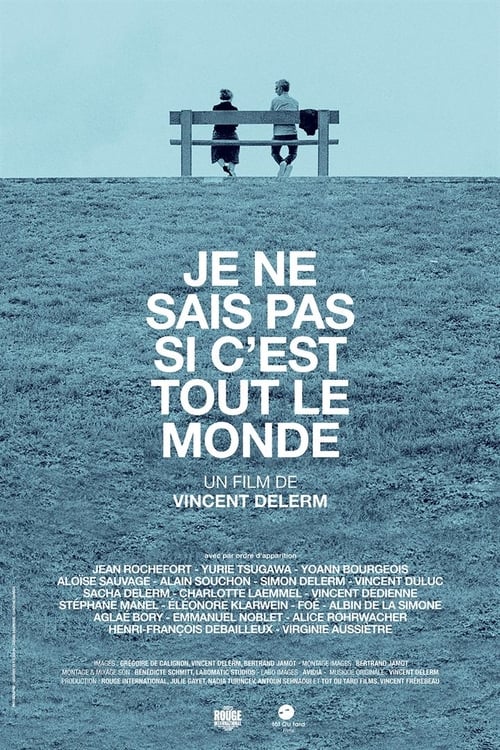
For his first film, Vincent Delerm continues his highly sensitive work on privacy, memory, and interpersonal relationships. What builds us? How do people around us feel? Do our emotions and sensations belong only to us? Each character, famous or anonymous, gives Vincent Delerm something of him/herself, defining his sensitivity and his way of seeing existence. Testimonials that sometimes make you smile, often squeeze the heart, combine the intimate and the universal. Behind the scenes, the author's own emotions emerge through a musical, photographic film, the narration of which is like an invisible thread.
2019

2017

2019

2020

2018

2011

2018

2021
No reviews yet. Be the first to share your thoughts on this movie!
Use the rating form above to leave a star rating and optional review.