My Stuffed Granny
2014
No user ratings available yet
Diversity score: 5.7 out of 10
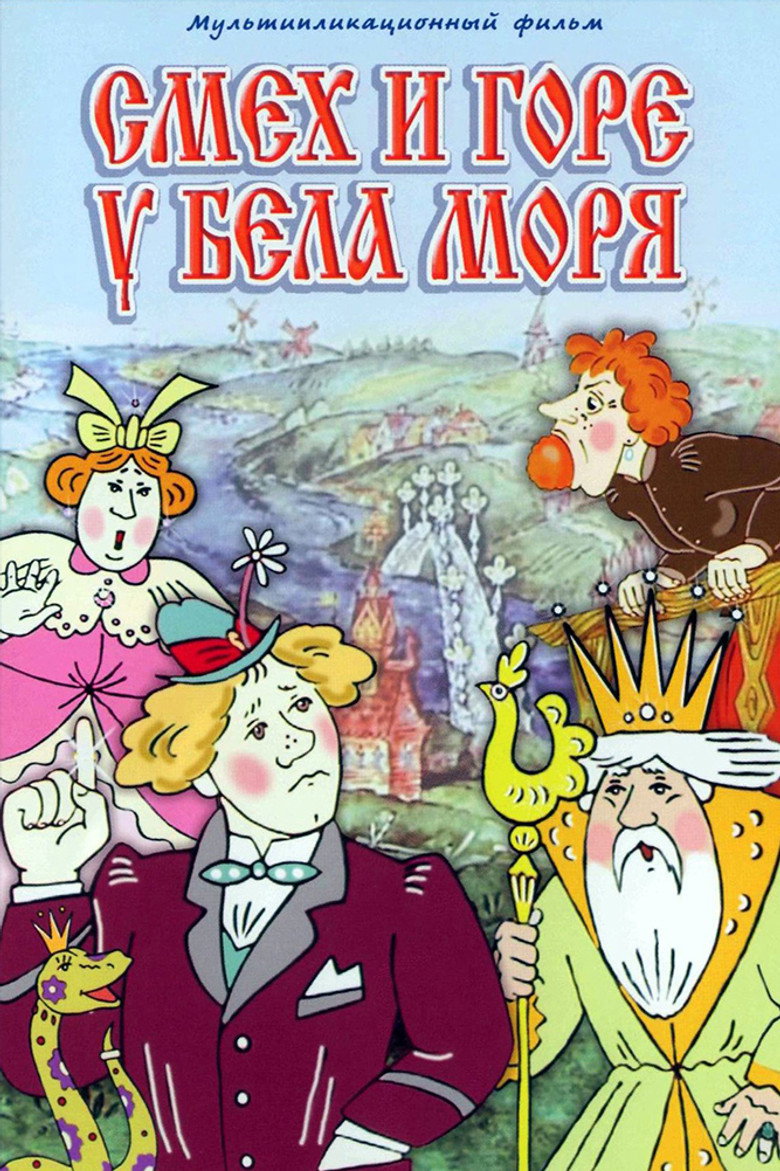
1987
Director
Leonid Nosyrev
Runtime
59 minutes
Average Rating
No ratings yetSynopsis
Laughter and Grief by the White Sea is a 1987 Soviet traditionally animated feature film directed by Leonid Nosyrev made at the Soyuzmultfilm studio. The film is a celebration of the culture of the Russian Pomors who live around the White Sea.
Overall Score
Good
Category Breakdown
LGBTQ+ Representation
The film maintains a neutral stance regarding non-heteronormative identities. It likely adheres to the traditional social structures found in 1980s Soviet folk-centric animation.
Gender Representation
There is no evidence of deliberate subversion of gender hierarchies. The narrative may rely on traditional maternal archetypes or mythological figures common in folklore.
Racial & Ethnic Diversity
The film excels by centering the Pomor people, a distinct ethnic group. This focus disrupts homogeneous norms by prioritizing a localized, regional identity.
Religious & Cultural Diversity
The work celebrates the unique customs of the White Sea region. It prioritizes cultural preservation and ethnographic authenticity over postmodern systemic critique.
Disability Representation
The available information provides no evidence regarding the portrayal of characters with physical or neurodivergent disabilities.
Strengths
Areas for Improvement
AI Analysis
Leonid Nosyrev’s animation serves as a dedicated celebration of Pomor culture. By focusing on the specific traditions of the White Sea region, the film offers a sophisticated alternative to homogenized, mainstream storytelling. It prioritizes ethnographic authenticity and the preservation of a localized ethnic identity. However, the film lacks engagement with contemporary intersectional frameworks. There is no visible evidence of diverse gender roles or LGBTQ+ representation, as the narrative likely follows the traditional social structures inherent in its era and folk-based genre. Ultimately, the film's strength lies in its ethnic specificity. While it does not address modern social critiques, it succeeds in elevating a regional culture that exists outside of centralized, dominant narratives.
No reviews yet. Be the first to share your thoughts on this movie!
Use the rating form above to leave a star rating and optional review.