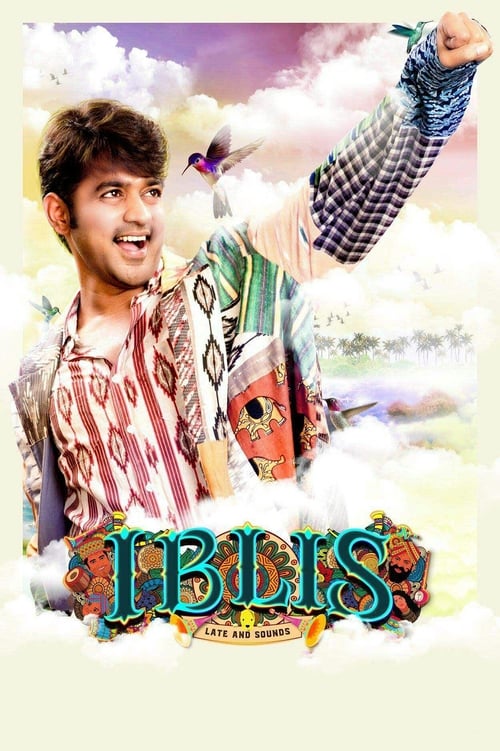
Iblis
2018
No user ratings available yet
Representation score: 3.6 out of 10
Representation Score
Good
2017
Director
Anshai Lal
Runtime
138 minutes
Average Rating
No ratings yetNew Showbiz Analysis
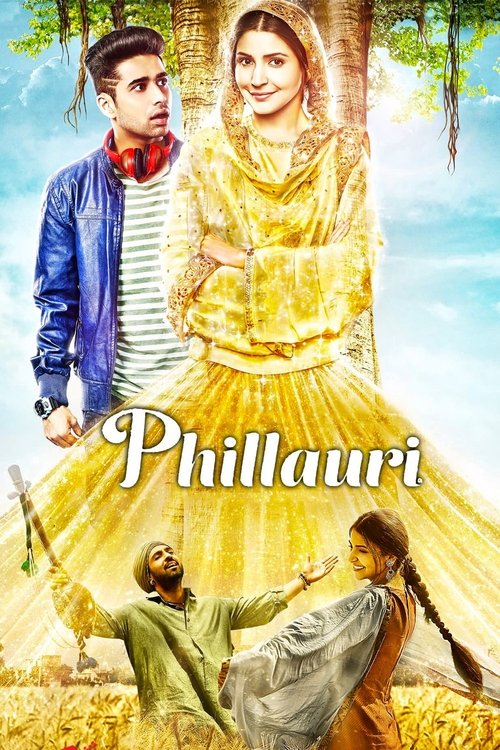
Phillauri succeeds as a culturally specific work that prioritizes regional authenticity. By grounding the story in the linguistic and ethnic nuances of Punjab, it provides a meaningful portrayal of a localized identity rather than relying on superficial inclusion. The film's progressive strength lies in its treatment of women's ability to drive the story. Shashi's pursuit of autonomy disrupts the conventional expectations of the arranged marriage cliché, offering a more nuanced look at gender than typical romantic melodramas. However, the film lacks multi-layered breadth. It does not feature LGBTQ+ representation, does not address disability, and remains largely aligned with traditional social structures without offering significant systemic critiques.
Category Breakdown
The film does not include any LGBTQ+ characters or non-straight relationships. The romantic storyline follows a traditional framework focused on the protagonist's heterosexual relationships.
Shashi is portrayed as a character striving for emotional autonomy within a patriarchal society. The film challenges passive female stereotypes by highlighting her struggle for self-determination.
The production offers high cultural authenticity through its deep commitment to Punjabi identity. It uses culture-specific casting to reinforce the integrity of the regional setting.
The narrative emphasizes communal rituals and agrarian lifestyles within a traditional framework. It prioritizes social cohesion and romantic melodrama over radical systemic or secular critiques.
There are no prominent characters with visible or invisible disabilities. The story does not engage with themes of neurodivergence or physical accessibility.
Present on Screen
Limited or Absent
Official Synopsis
A man is forced to marry a tree to ward off ill-luck that surrounds his love-life which turns into a nightmare when the tree is embodied by a spirit with an unfinished business.
2018

1976

2024
2013
2016

2016
2016
2015
No reviews yet. Be the first to share your thoughts on this movie!
Use the rating form above to leave a star rating and optional review.