
The Crown of Fire
1990
No user ratings available yet
Representation score: 1.8 out of 10
Representation Score
Minimal
1974
Director
Sergiu Nicolaescu
Runtime
103 minutes
Average Rating
No ratings yetNew Showbiz Analysis
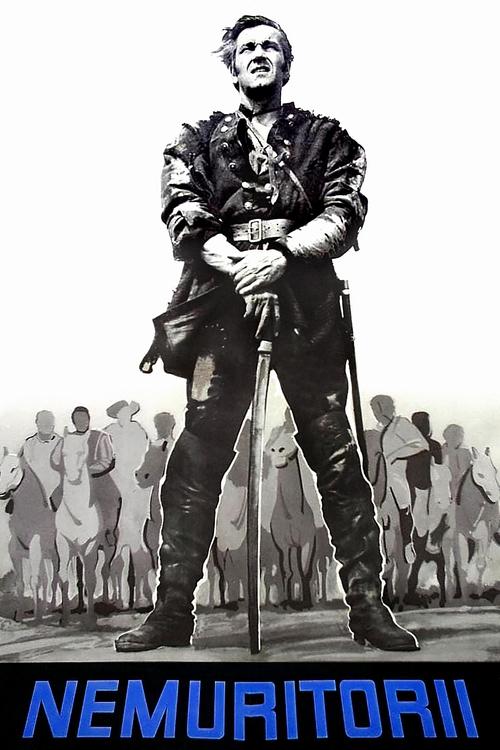
The Immortals is a traditional historical epic that upholds established hierarchies of gender, class, and national identity. It prioritizes preserving national mythos and institutional stability over contemporary social critiques. The film focuses on historical continuity. Its narrative structure centers on defending territory and legitimizing ruling nobility, reinforcing traditional regional institutions. While the film offers an accurate depiction of period-specific ethnic conflicts, it does not engage with modern progressive frameworks or subversive casting.
Category Breakdown
The film follows the heterosexual and cisgender norms of the 14th century. There is no indication of non-traditional gender identities or same-sex relationships.
Male military leaders and Voivodes have the most influence in the story. Female characters mainly represent domestic life or political alliances rather than having independent roles.
Casting accurately reflects the ethnic realities of the Wallachian and Ottoman conflict. While showing different cultural groups, it emphasizes historical accuracy over modern diversity.
The story highlights patriotism and the 'Romanian dream.' Orthodox Christianity is shown as a core part of the culture without criticism.
There is no significant portrayal of visible or invisible disabilities in this historical epic.
Present on Screen
Limited or Absent
Official Synopsis
It's the story of a few men that wonder across Europe trying to come home and rebuild what Mihai Viteazul called "Romanian dream".
1990
2008
1977
1961

1971
1999
1975
2010
No reviews yet. Be the first to share your thoughts on this movie!
Use the rating form above to leave a star rating and optional review.