
Smile, The Photo Comes Out Better
1998
No user ratings available yet
Representation score: 4.7 out of 10
Representation Score
Fair
1982
Director
Mohamed Abdelaziz
Runtime
120 minutes
Average Rating
No ratings yetNew Showbiz Analysis
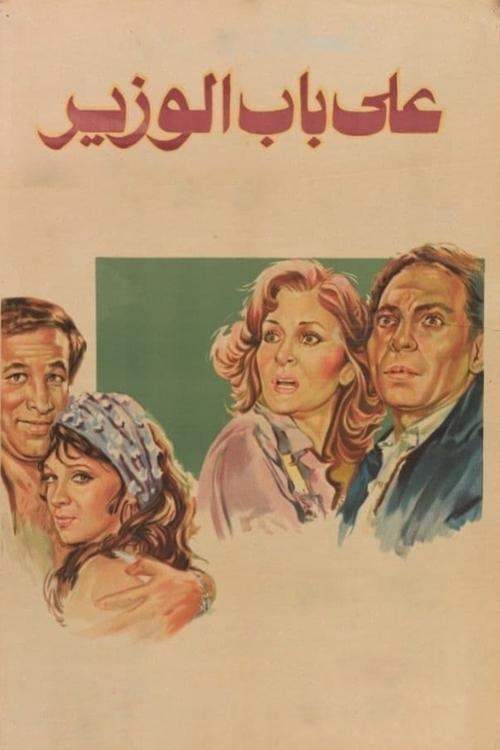
At the Minister's Door is a social drama that uses a romantic framework to explore systemic inequities. The film's strength lies in its critique of class stratification and the corruption of institutional power, offering a non-Western perspective on social struggles. However, the film adheres to traditional romantic clichés. The romantic plot follows a standard heterosexual pattern, and the female lead's role seems largely defined by her relationships to the male protagonists and her father's authority. Ultimately, the film serves as a critique of patriarchal and capitalist structures, though it does not expand its representation of identity beyond these central social conflicts.
Category Breakdown
The film centers on heterosexual romance, particularly the relationship between Kamal and Nora. There is no indication of queer subtext or non-straight identities.
Conflict arises from a patriarchal system where a businessman controls romantic opportunities. Nora plays a central role, but her personal ability to act against her father's authority is not clearly shown.
As an Egyptian production, the film offers a unique Arab-centric viewpoint. It challenges Western cinematic norms by focusing on an Egyptian social struggle.
The story delves into themes of systemic injustice and institutional corruption. It highlights class warfare and the flaws of legal systems through the protagonist's family conflict.
There is no mention of visible or invisible disabilities. No characters have specific accessibility needs or disability-related storylines.
Present on Screen
Limited or Absent
Official Synopsis
Kamal is a university student who is in love with Nora the daughter of a ruthless businessman who rejects him because he is poor and thus plots to keep him away from her. With the help of his friends they try to solve his problem especially after Kamal's father has been unjustly arrested for a crime he did not commit.
1998
1985

1961
1976

1975
1981

1980

1968
No reviews yet. Be the first to share your thoughts on this movie!
Use the rating form above to leave a star rating and optional review.