
Rob Roy, The Highland Rogue
1953
No user ratings available yet
Representation score: 1.3 out of 10
Representation Score
Limited
1966
Not RatedDirector
Michael O'Herlihy
Runtime
110 minutes
Average Rating
No ratings yetNew Showbiz Analysis
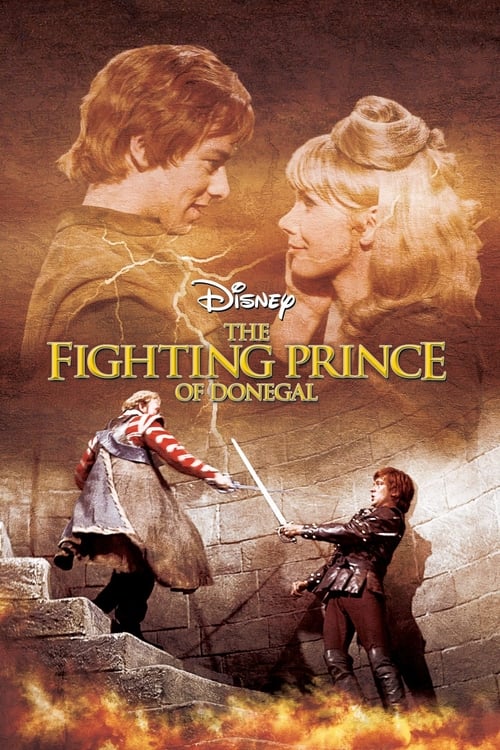
The Fighting Prince of Donegal is a period action drama that uses a post-colonial perspective to critique imperial power. It highlights the ability to act of an ethnic group resisting systemic oppression and challenges the legitimacy of colonial institutions. However, the film remains confined by the social norms of its 16th-century setting and genre conventions. It lacks modern characters who reflect more than one aspect of diversity, particularly around LGBTQ+ and disability issues, and upholds traditional gender hierarchies. Ultimately, the film serves as a study of ethnic identity and resistance, while adhering to traditional patriarchal and straight-centered structures.
Category Breakdown
The film does not include any LGBTQ+ characters or explore non-traditional identities. It focuses solely on traditional romantic and kinship structures within the Irish clans.
The narrative follows a traditional patriarchal structure where male characters play a significant role in driving the story. Female characters play secondary roles that do not challenge established masculine leadership.
The story centers on the Irish ethnic experience, opposing British colonial authority. While the cast is predominantly white, it avoids a homogenized approach by highlighting indigenous resistance.
The film critiques imperial power by presenting British colonial structures as the main antagonists. It emphasizes the struggle of a colonized people against an oppressive political system.
There is no representation of physical or neurodivergent disabilities in the film. Characters are defined by their abilities in combat and leadership rather than through any disabilities.
Present on Screen
Limited or Absent
Official Synopsis
Ireland 1587. Hugh O'Donnell inherits the title of The O'Donnell, the prince of Donegal, and tries to unite Ireland to make war on England. But then Hugh is kidnapped and imprisoned by the Viceroy of Ireland and held ransom for the Clans' good behavior. Hugh must escape prison and the Viceroy's villainous henchman, Captain Leeds, before he can fight.
1953
1966
1960
1958
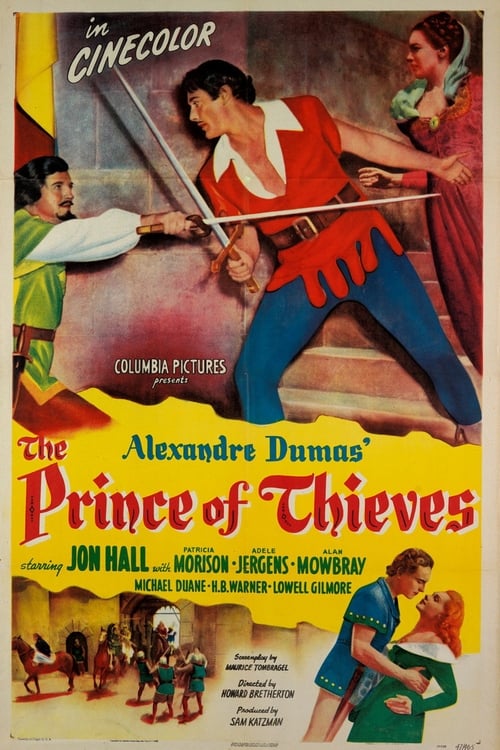
1948
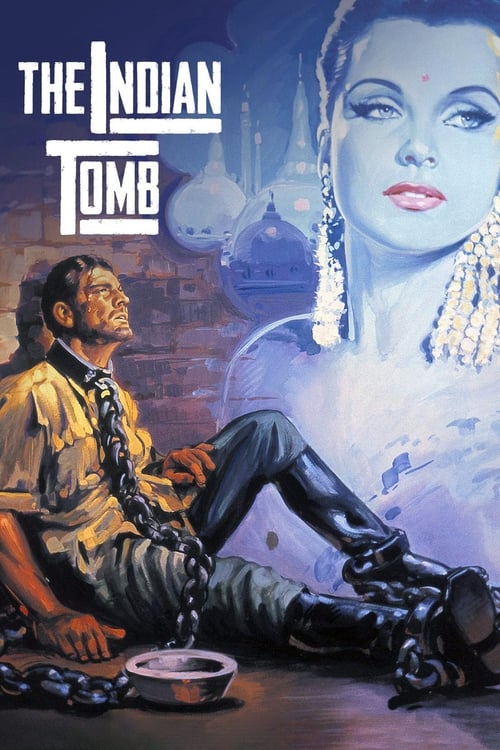
1959
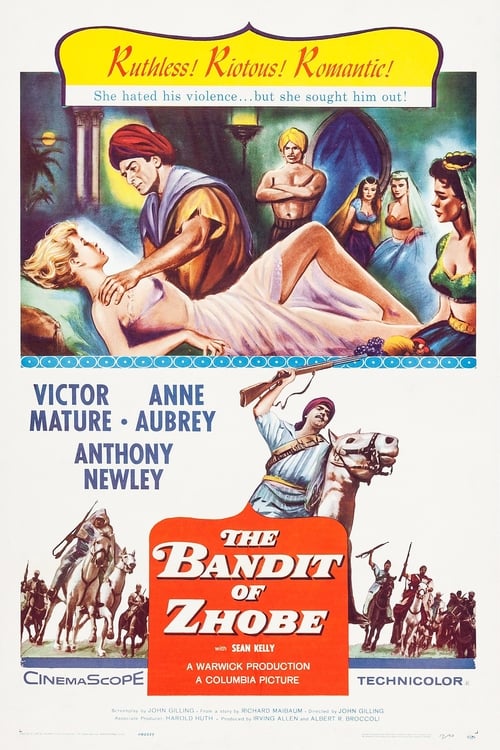
1959
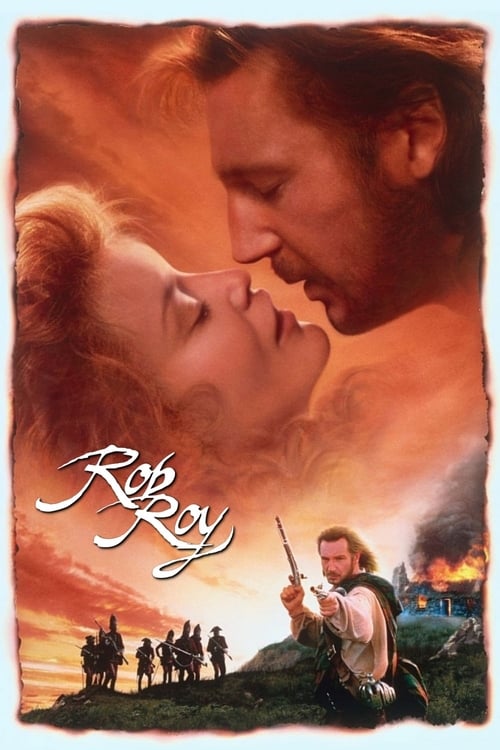
1995
No reviews yet. Be the first to share your thoughts on this movie!
Use the rating form above to leave a star rating and optional review.