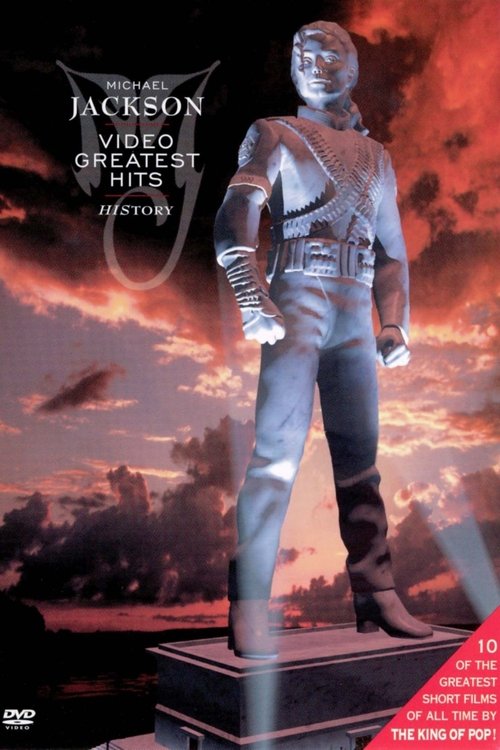
Michael Jackson Video Greatest Hits: HIStory
1995
No user ratings available yet
Representation score: 5.8 out of 10
Representation Score
Fair
1993
Director
Billy DiCicco, David Fincher, Michael Jackson, David Lynch, John Landis, John Singleton, Herb Ritts, Joe Pytka, David Kellogg, Andrew Morahan, Vince Patterson
Runtime
112 minutes
Average Rating
No ratings yetNew Showbiz Analysis
This anthology uses advanced visual technology to break down racial hierarchies. The morphing effects in 'Black or White' highlight the fluidity of identity and the artificial nature of racial categories. However, the collection still adheres to traditional cinematic roles for women and lacks explicit LGBTQ+ representation. Women are often cast in stereotypical roles, and there is no clear depiction of LGBTQ+ identities. Overall, the work succeeds in offering a postmodern exploration of identity, emphasizing a global, multi-ethnic perspective through visionary direction and diverse casting.
Category Breakdown
The films emphasize heterosexual romance and stylized courtship. Despite the surreal style allowing for varied interpretations, there is no clear depiction of LGBTQ+ identities or non-cisgender identities.
Women are often portrayed in traditional cinematic roles, such as the femme fatale in 'Give In to Me.' They serve as romantic interests or mysterious figures rather than challenging established gender hierarchies.
The anthology stands out by breaking down racial barriers through visual technology. 'Black or White' uses morphing to blur ethnic lines, while 'Jam' employs diverse urban casting to challenge Anglo-centric norms.
The collection delves into communal spirituality and social isolation. 'Will You Be There' explores religious gatherings with a focus on universal themes rather than specific dogmas.
There are no prominent depictions of physical or neurodivergent disabilities used as central character traits or plot devices within the films.
Present on Screen
Limited or Absent
Official Synopsis
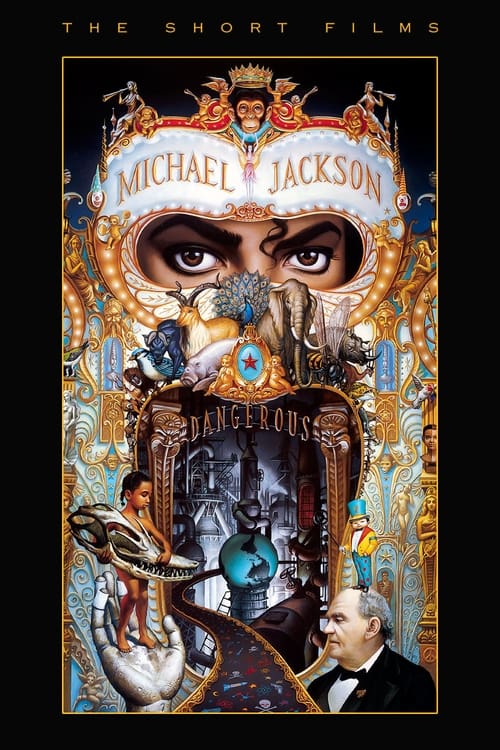
Michael Jackson's Dangerous album once again rocketed the global superstar to mega-platinum success! "Dangerous - The Short Films" captures the visual and musical highlights of his most recent string of hit singles. As well as extensive behind the scenes profiles of the making of Michael's state of the art short films.
1995
2018
2010
1990

2004
1983

2004
2003
No reviews yet. Be the first to share your thoughts on this movie!
Use the rating form above to leave a star rating and optional review.