Chatter
2010
No user ratings available yet
Representation score: 0.9 out of 10
Representation Score
Minimal
2013
NRDirector
John Fitzpatrick
Runtime
8 minutes
Average Rating
No ratings yetNew Showbiz Analysis
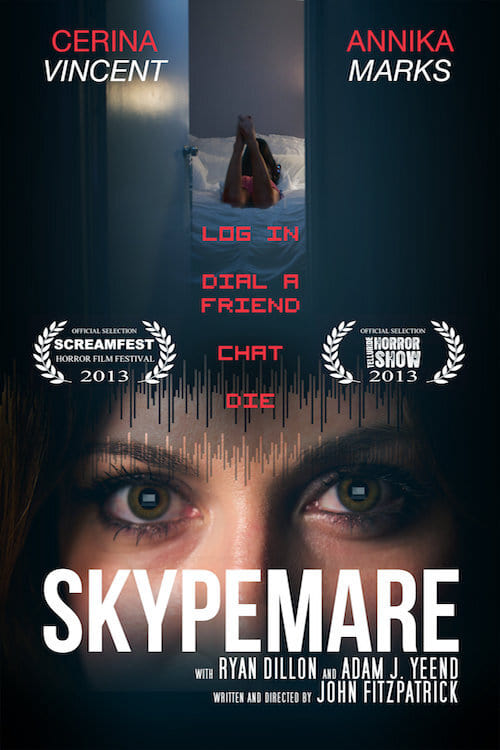
Skypemare is a genre-specific horror film that emphasizes technological tension over social issues. The narrative structure focuses on the isolation caused by digital connectivity rather than identity politics. The film follows conventional, non-progressive structures. It relies on established cinematic clichés, such as the 'final girl' archetype, which limits its ability to challenge gender or social hierarchies. Ultimately, the film operates as a standard thriller. It lacks the intentional narrative disruptions needed to address complex social hierarchies or diverse lived experiences.
Category Breakdown
The film does not include any characters with non-straight or non-cisgender identities, nor does it show any same-sex relationships.
The story focuses on female protagonists, Alison and Jenna, but it relies on traditional victimhood clichés rather than challenging established gender hierarchies or power dynamics.
There are no specific details about the racial or ethnic makeup of the cast. There is no indication of a non-white majority in the available data.
The film uses typical Western holiday clichés like Halloween. It does not critique Western institutions or religious structures, focusing instead on individual survival.
The film does not feature any characters with visible or invisible disabilities. Neurodivergence and physical impairments are not part of the narrative.
Present on Screen
Limited or Absent
Official Synopsis
Alison is left home alone on Halloween night, but while chatting with her best friend Jenna over Skype, something terrifying happens to Jenna, leaving Alison helpless on the other side of the computer screen, watching in horror.
2010

2006

2014
2022
2015
2006

2011
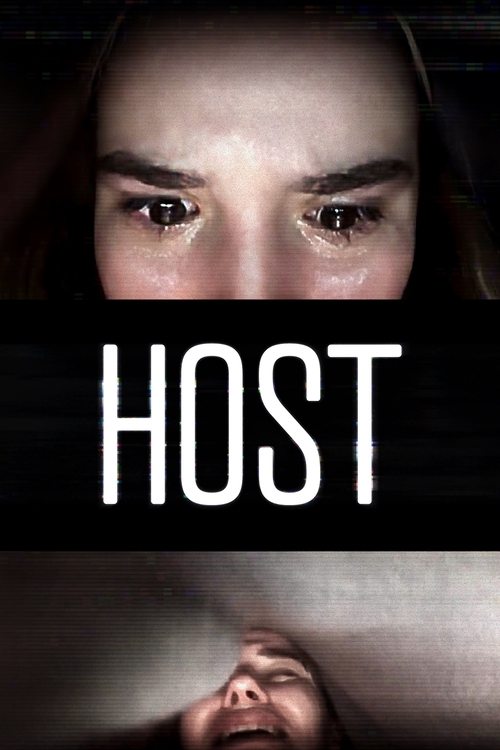
2020
No reviews yet. Be the first to share your thoughts on this movie!
Use the rating form above to leave a star rating and optional review.