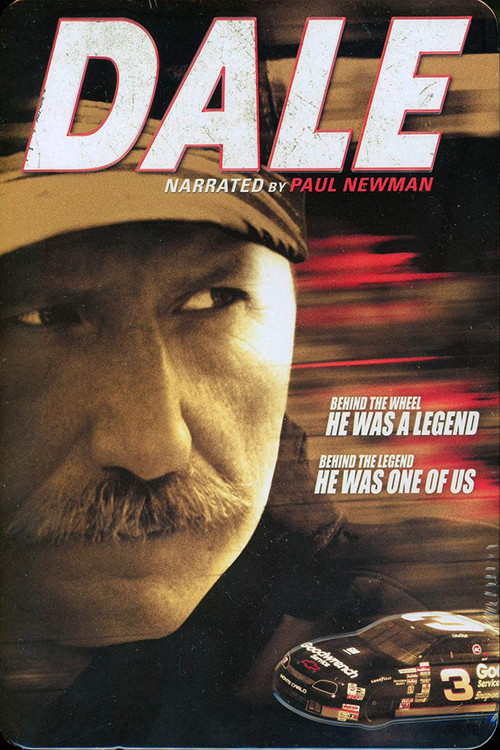
Dale
2007
No user ratings available yet
Representation score: 1.3 out of 10
Representation Score
Minimal
2019
Director
Paul Taublieb
Runtime
88 minutes
Average Rating
No ratings yetNew Showbiz Analysis
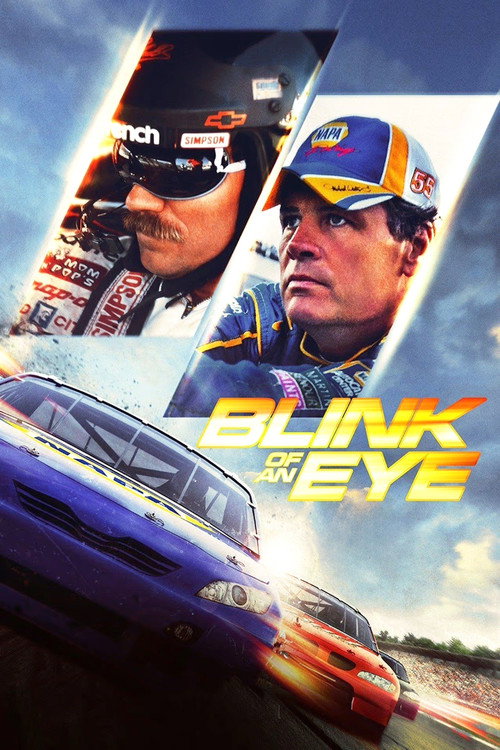
Blink of an Eye is a deeply personal documentary that prioritizes individual memory and the visceral reality of a specific sporting tragedy. It functions as a reflective memoir rather than a tool for social commentary. The film's structure is built around the narrow, historically specific context of NASCAR in the early 2000s. Consequently, it does not engage with the overlapping aspects of identity or disrupt conventional demographic norms. Ultimately, the work serves as a traditional personal testimonial, focusing on the intersection of professional triumph and personal grief rather than broader social representation.
Category Breakdown
The documentary focuses on Michael Waltrip's history within NASCAR culture. It contains no characters or narratives addressing non-straight or non-cisgender identities.
The film centers on the male-dominated environment of professional auto racing. It lacks significant roles for women and does not challenge traditional masculine hierarchies.
The narrative focuses on the specific experiences of Waltrip and Earnhardt. This suggests a story centered on a historically homogeneous demographic within NASCAR.
The film operates within traditional American sporting culture and professional competition. It does not critique Western institutions or organized religion.
There is no evidence of characters navigating physical, neurodivergent, or mental health disabilities as central themes of the documentary.
Present on Screen
Limited or Absent
Official Synopsis
Based on his book, Michael Waltrip recounts the 2001 Daytona 500 and the lighting-fast transition from elation to mourning - as he took the checkered flag to win while Dale Earnhardt, his friend and team owner, crashed in Turn 4 behind him. Earnhardt's death and the events of the race had a profound effect on Waltrip, shown in this documentary.
2007

2016

2023
2017
2004

2016

2010
2013
No reviews yet. Be the first to share your thoughts on this movie!
Use the rating form above to leave a star rating and optional review.