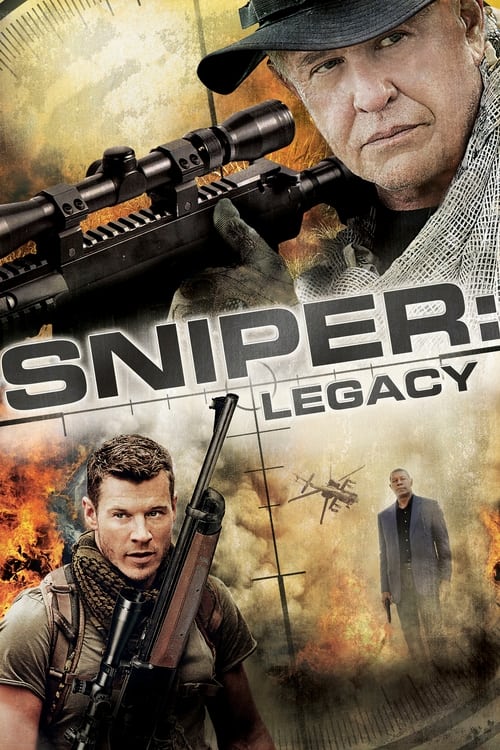
Sniper: Legacy
2014
No user ratings available yet
Representation score: 0.8 out of 10
Representation Score
Minimal
2020
RDirector
Kaare Andrews
Runtime
95 minutes
Average Rating
No ratings yetNew Showbiz Analysis
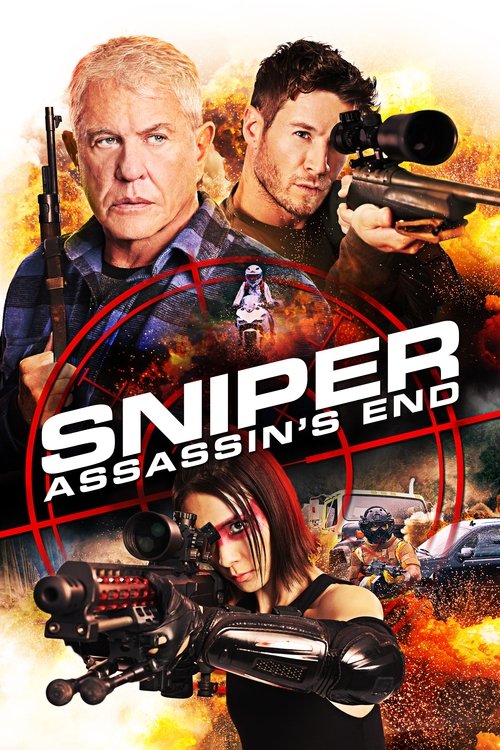
Sniper: Assassin's End operates strictly within the confines of traditional action-thriller clichés. The narrative prioritizes individualist heroism and tactical combat, centering the plot on a father-son duo that reinforces conventional masculine hierarchies. While the inclusion of international factions like the Yakuza and Russian mercenaries introduces ethnic variety to the setting, the protagonists remain rooted in a singular Western military archetype. This creates a backdrop of diversity without necessarily granting meaningful ability to act to characters of color. Ultimately, the film lacks intentionality regarding characters who reflect more than one aspect of diversity. It adheres to established genre standards, focusing on physical prowess and duty rather than disrupting social hierarchies or exploring diverse lived experiences.
Category Breakdown
The film focuses on a male-centric relationship between a father and his son. There are no queer narratives or characters with non-traditional gender identities.
The story centers on masculine roles such as the legendary sniper and special ops operative. It lacks female characters who play a significant role in driving the story or subverted gender roles.
A globalized conflict involving Russian mercenaries and Yakuza assassins provides a multicultural backdrop. However, the core protagonists remain traditional Western military figures.
The plot uses geopolitical tension and institutional distrust as standard thriller elements. It emphasizes familial loyalty and paternal lineage over broader social commentary.
Characters are portrayed as having peak physical capabilities. There is no indication of characters dealing with physical, sensory, or neurodivergent disabilities.
Present on Screen
Limited or Absent
Official Synopsis
Special Ops sniper Brandon Beckett is set up as the primary suspect for the murder of a foreign dignitary on the eve of signing a high-profile trade agreement with the United States. Narrowly escaping death, Beckett realizes that there may be a dark operative working within the government, and partners with the only person whom he can trust: his father, legendary sniper Sgt. Thomas Beckett. Both Becketts are on the run from the CIA, Russian mercenaries, and a yakuza-trained assassin with sniper skills that rival both legendary sharpshooters.
2014
1993
2017
1973
2002
1997
2016
2011
No reviews yet. Be the first to share your thoughts on this movie!
Use the rating form above to leave a star rating and optional review.