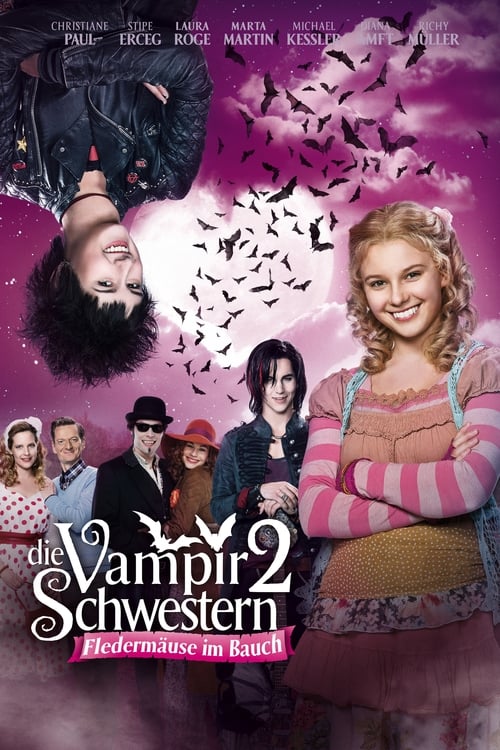
Vampire Sisters 2: Bats in the Belly
2014
No user ratings available yet
Representation score: 3.8 out of 10
Representation Score
Fair
2012
Director
Wolfgang Groos
Runtime
97 minutes
Average Rating
No ratings yetNew Showbiz Analysis
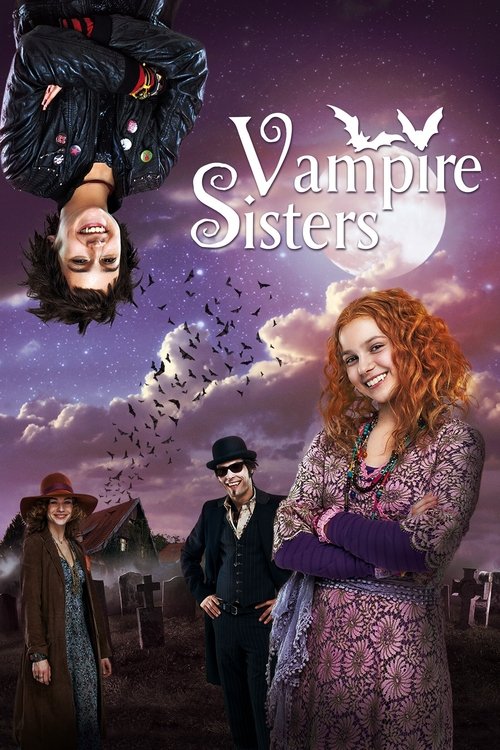
Vampire Sisters uses speculative fiction to explore the complexities of identity and belonging. By focusing on two sisters navigating a blended supernatural heritage, the film offers a nuanced look at the tension between assimilation and self-acceptance. The film effectively uses fantasy as a vehicle for social metaphors. The struggle to fit into a 'normal' human society mirrors real-world experiences of navigating mainstream institutions while maintaining a unique cultural or personal identity. While the film lacks explicit representation of specific underrepresented groups like the LGBTQ+ community, its focus on women's ability to drive the story and the immigrant experience provides a solid foundation for exploring themes of otherness.
Category Breakdown
The film doesn't feature explicit LGBTQ+ characters or romantic pairings. However, it uses the half-vampire metaphor to explore non-conforming identities and the struggle to navigate binary social structures.
The story centers on the autonomy of sisters Dakaria and Silvania, emphasizing their roles as the primary drivers of the plot. It challenges traditional hierarchies by focusing on the emotional and plot-driving weight on the female protagonists.
A Transylvanian father and human mother create a blended family that symbolizes mixed heritage. The sisters' move to Germany reflects the immigrant experience of balancing ancestral identity with assimilation.
The narrative critiques social rigidity by framing the human world as a place where protagonists must hide their true selves. It emphasizes uniqueness over conformity, presenting being an outsider as a strength.
There are no visible or documented depictions of physical or neurodivergent disabilities. The themes of otherness are presented through supernatural biology rather than human disability.
Present on Screen
Limited or Absent
Official Synopsis
Keeping secrets can be difficult, especially when you’re a twelve-year-old half-vampire moving from Transylvania to a new life in Germany. Going to school, making new friends and fitting in — it’s all tough when you can’t just be yourself. With a vampire father and a human mother, sisters Dakaria (Daka) and Silvania don’t live in your typical blended family. Each girl embraces a different side of her genetic makeup: Daka wishes she was 100% vampire; Silvania wishes she was 100% human; and both believe they can finally realize their hearts’ desires when the opportunity to change presents itself. Will Daka and Silvania realize that, sometimes, your uniqueness is your greatest strength?
2014
1998
2021
2012
2020

2006
2018

2016
No reviews yet. Be the first to share your thoughts on this movie!
Use the rating form above to leave a star rating and optional review.