
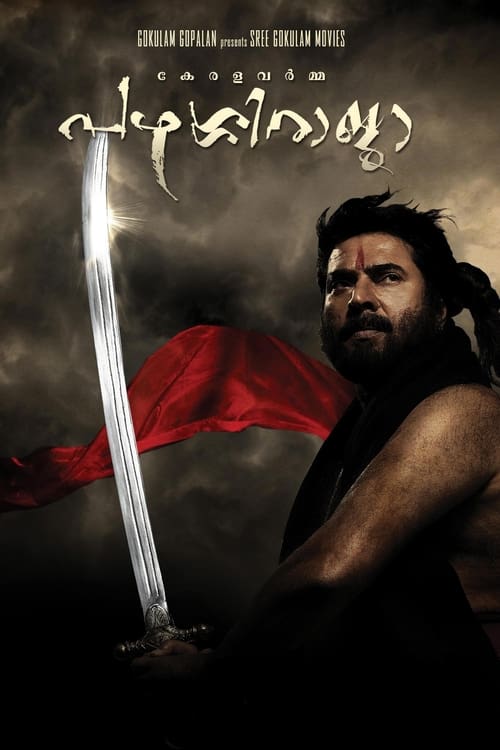
Kraanthiveera Sangolli Raayanna
2012
No user ratings available yet
Representation score: 4.3 out of 10
Representation Score
Limited
2009
Not RatedDirector
T Hariharan
Runtime
197 minutes
Average Rating
No ratings yetNew Showbiz Analysis
The film serves as a powerful post-colonial narrative that reclaims local ability to act. By framing the British East India Company as the antagonist, it disrupts Eurocentric perspectives and prioritizes indigenous sovereignty. While the film successfully deconstructs Western historical dominance, it remains limited by traditional gender dynamics. The central plot drivers are almost entirely male, reflecting the period's social hierarchies. Ultimately, the work is a significant reclamation of identity. It shifts the locus of power from the imperial center to the local periphery, celebrating the resistance of the Kottayam royal lineage.
Category Breakdown
The film focuses on the 18th-century socio-political landscape of Malabar. It does not include any non-traditional gender identities or same-sex relationships, adhering to the social structures of the time.
The narrative uses a traditional masculine framework for its central conflict. Men have the primary roles in warfare and political negotiations, while women play conventional domestic or royal roles.
The film excels by centering non-Western identities and the ethnic complexities of the Malabar region. It portrays the British East India Company as a disruptive external force rather than a civilizing standard.
The story adopts an anti-colonial stance by depicting British taxation as exploitative. It prioritizes the localized, traditional social fabric over the imposition of Western administrative and capitalist norms.
There is no significant evidence regarding the portrayal of visible or invisible disabilities within the historical context provided.
Present on Screen
Limited or Absent
Official Synopsis
Set in the backdrop of the seventeenth century, the royal family of Kottayam is ruled by Pazhassi. The British government begins to impose heavy taxes on the locals in the Thalassery region of Kerala.
2012

1979
2019
2019

2021
2007
2022

2015
No reviews yet. Be the first to share your thoughts on this movie!
Use the rating form above to leave a star rating and optional review.