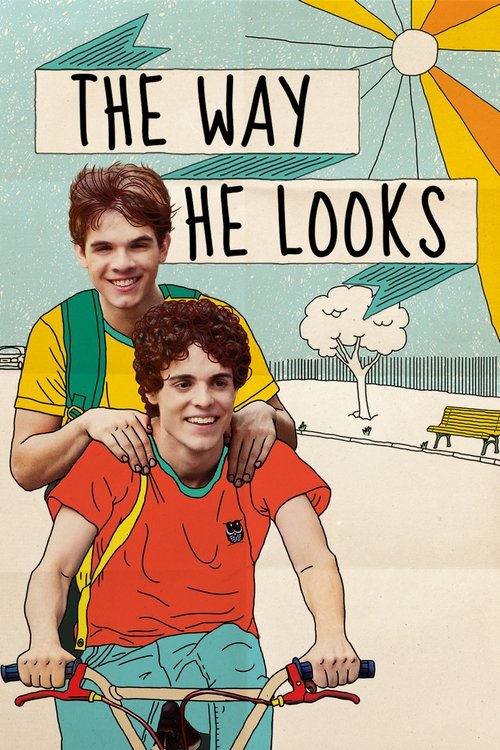
The Way He Looks
2014
No user ratings available yet
Representation score: 9.1 out of 10

Representation Score
Excellent
2011
Director
Daniel Ribeiro
Runtime
17 minutes
Average Rating
No ratings yetNew Showbiz Analysis
Daniel Ribeiro’s film is a nuanced exploration of identity that avoids typical coming-of-age narratives. By focusing on a queer romance and a blind protagonist, the film challenges traditional storytelling through a layered approach to identity. The film's strength lies in its treatment of underrepresented identities as integral parts of the story, not as problems to solve. The narrative grants Leonardo and Gabriel significant roles in driving the story, allowing their experiences to shape the emotional journey naturally. While the film excels in representing queer and disability identities, it has a narrower focus on male dynamics and a specific Brazilian urban setting, which provides cultural richness but less variety in gendered perspectives.
Category Breakdown
The film focuses on the romantic and sexual awakening of Leonardo and Gabriel. It treats same-sex intimacy and emotional vulnerability as normal and essential to character development. Queer identity is presented as a key part of their ability to act, not as a source of trauma.
The movie explores teenage boy interactions through emotional intelligence. It challenges the stereotype of unfeeling masculinity by highlighting sensitivity and the complexity of relationships.
Set in a modern Brazilian city, the film provides a local viewpoint. While race isn't the main plot point, the urban setting adds to a more globally diverse representation.
The story takes a secular, humanist stance focusing on personal truth. It portrays the transition to adolescence as a journey of self-discovery and independence, free from religious constraints.
Leonardo’s blindness is portrayed thoughtfully, avoiding clichés. His visual impairment is part of his everyday life, influencing his senses without taking away his ability to make decisions.
Present on Screen
Limited or Absent
Official Synopsis
The arrival of a new student in school changes Leonardo's life. This 15 year-old blind teenager has to deal with the jealousy of his friend Giovana while figuring out the new feelings he's having towards his new friend, Gabriel.
2014

2014
2013

2019
2007

2013

2010
2022
No reviews yet. Be the first to share your thoughts on this movie!
Use the rating form above to leave a star rating and optional review.