Le corps sublime
2007
No user ratings available yet
Representation score: 7.4 out of 10
Representation Score
Fair
2010
Director
Serge Bramly
Runtime
94 minutes
Average Rating
No ratings yetNew Showbiz Analysis
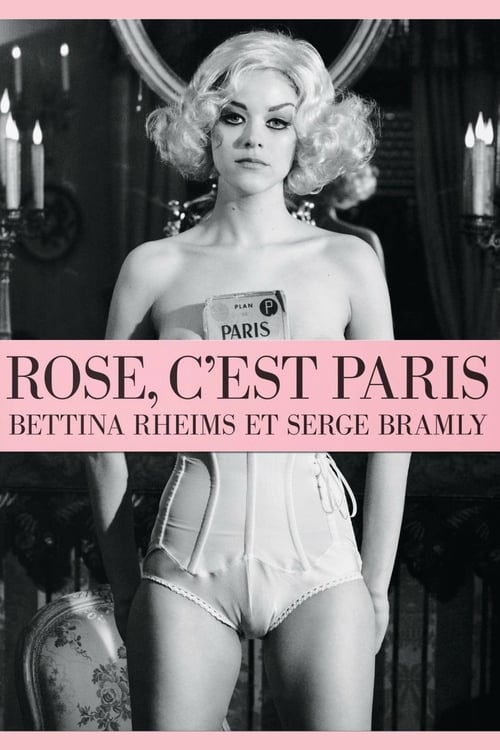
Rose, c'est Paris is an avant-garde exploration of identity that prioritizes psychological abstraction over linear storytelling. By using a surrealist framework, the film effectively challenges standard conventions and dismantles traditional social hierarchies. The work excels in its thematic focus on fluidity and obsession. It moves away from conventional moralistic structures to embrace a more postmodern, subjective approach to human desire. However, the film’s emphasis on aesthetic and atmospheric qualities leaves gaps in representation. Without clear data on racial or disability representation, the extent of its inclusivity remains limited to its thematic subversions.
Category Breakdown
The film delves into themes of intense desire and uncertain identities through a surreal lens. This approach steers clear of traditional heterosexual stories and instead focuses on intricate, unconventional forms of intimacy.
Working with Bettina Rheims, the project challenges traditional gender roles. It emphasizes a fluid and unstable portrayal of femininity rather than fixed, conventional roles.
There is no specific evidence regarding the racial composition of the cast. The documentation focuses on atmospheric and surrealist qualities rather than ethnic narratives.
The film centers on personal experiences and poetic symbolism rather than traditional Western storytelling. It prioritizes individual psychological insights over the reinforcement of societal or religious norms.
There is no verifiable information regarding the depiction of neurodivergence or physical disabilities within the film's narrative structure.
Present on Screen
Limited or Absent
Official Synopsis
Bettina Rheims and Serge Bramly's Rose, c'est Paris is both a photographic monograph and a feature-length film. This extraordinary work of art, in two different but interlocking and complementary formats, defies easy categorization. For in this multi-layered opus of poetic symbolism, photographer Bettina Rheims and writer Serge Bramly evoke the City of Light in a completely novel way: this is a Paris of surrealist visions, confused identities, artistic phantoms, unseen manipulation, obsession, fetish, and seething desire.
2007
2008
1984

1990
1982
1978
2007

2000
No reviews yet. Be the first to share your thoughts on this movie!
Use the rating form above to leave a star rating and optional review.