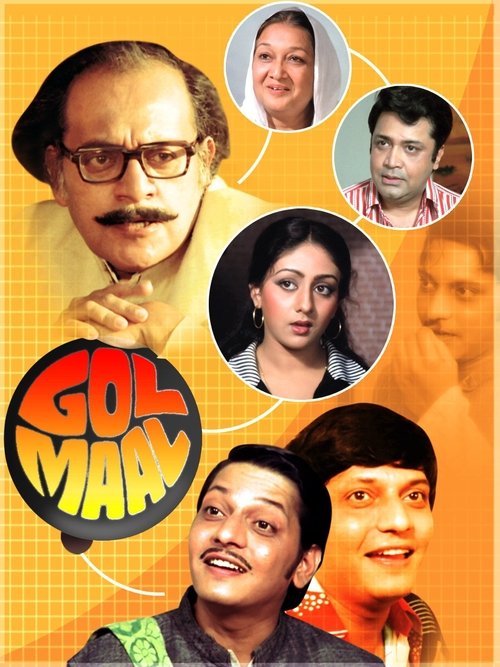
Gol Maal
1979
No user ratings available yet
Diversity score: 3.3 out of 10

1983
Director
Hrishikesh Mukherjee
Runtime
141 minutes
Average Rating
No ratings yetSynopsis
Kailashpati is a widower, and father of an only son, Ramesh. He feels that his son has come of age, and must get married. He goes to see a number of young ladies for him, but is disappointed with them, as he feels they are too modern, speak English, and listen to foreign music. He feels that Ramesh will be better off marrying a non-English speaking lady, preferably from a small village. But the predicament of Ramesh is that he is already in love with Ramola, a very well qualified, English speaking Doctor, and he knows fully well that she will not be approved by his dad. So Ramesh, Ramola and Lalaji concocts a plot, making Ramola masquerade as a naive, non-English speaking village belle, with hilarious and unpredictable results.
Overall Score
Limited
Category Breakdown
LGBTQ+ Representation
The film lacks LGBTQ+ characters or narratives that challenge heteronormativity. The plot centers on finding a traditional bride, reinforcing standard heteronormative family structures.
Gender Representation
Gender roles appear conventional, with patriarchal figures like Kailash driving the marriage process. While female characters may possess emotional intelligence, the narrative relies on traditional hierarchies.
Racial & Ethnic Diversity
The film is culturally specific to the Indian subcontinent, prioritizing rural, indigenous archetypes. It focuses on village identities rather than globalized or Westernized perspectives.
Religious & Cultural Diversity
The story emphasizes the preservation of traditional social institutions and the sanctity of marriage. It reinforces established customs and familial duties rather than critiquing them.
Disability Representation
There is no mention of characters with visible or invisible disabilities within the narrative.
Strengths
Areas for Improvement
AI Analysis
Kissi Se Na Kehna is a traditional domestic comedy that prioritizes the stability of the family unit. The narrative architecture is designed to uphold conventional social expectations regarding marriage and lineage rather than disrupting them. The film's focus on finding a 'traditional' village girl for a son suggests a conservative approach to character motivation. This emphasis reinforces established social hierarchies and patriarchal decision-making processes. While the film serves as a vehicle for Indian cultural expression, it lacks engagement with identity politics or the subversion of social norms. It remains firmly rooted in the social frameworks of its era.
1979
1998
1998
2017
1988
1975
2009
1971
1987

2003
1981
2015
No reviews yet. Be the first to share your thoughts on this movie!
Use the rating form above to leave a star rating and optional review.