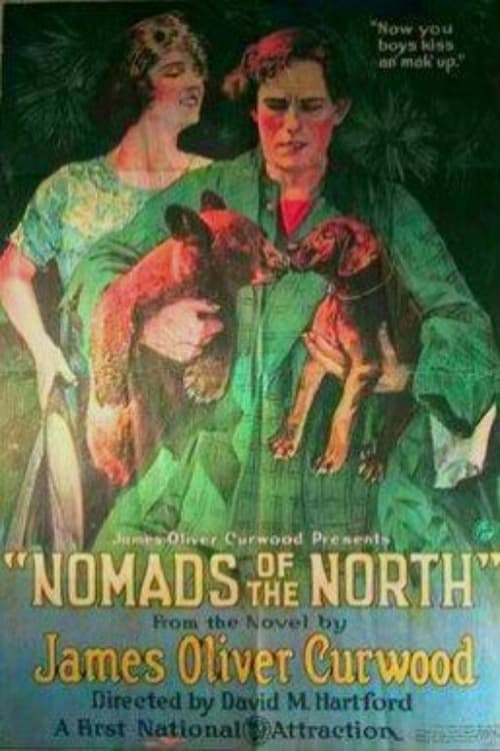
Nomads of the North
1920
No user ratings available yet
Representation score: 2.0 out of 10
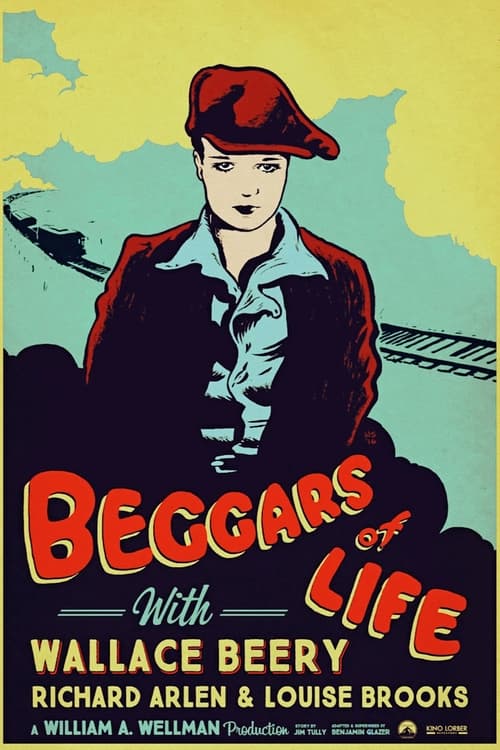
Representation Score
Limited
1928
NRDirector
William A. Wellman
Runtime
82 minutes
Average Rating
No ratings yetNew Showbiz Analysis
William A. Wellman’s film is a raw depiction of life on the margins of society. It excels by breaking down class hierarchies and showing the dignity of those who are underrepresented. The narrative presents the struggles of the disenfranchised as a necessary response to systemic hardships. However, the film is constrained by the social norms of its time. It lacks broad representation of diverse identities, particularly in terms of LGBTQ+ characters and racial diversity. The cast remains homogenous, reflecting the limitations of cinema during that era. Ultimately, the film's strength lies in its realistic portrayal of social issues and its subversion of traditional gender roles. Despite its lack of modern diversity, it offers a powerful critique of the rigid institutions of the 1920s.
Category Breakdown
The film focuses on a romantic relationship between a male drifter and a female protagonist. There are no representations of non-binary genders or same-sex relationships.
The female lead shows strength by dressing as a boy to survive, which subverts traditional feminine roles and highlights gender as a tool for navigating difficult circumstances.
The cast is primarily made up of actors who share similar backgrounds, reflecting the social constraints of the time period. The story does not feature diverse racial or ethnic representation.
The story critiques societal structures by focusing on the struggles of underrepresented individuals, highlighting the indifference of upper-class institutions towards the poor and those living outside the law.
There are no prominent portrayals of physical or cognitive disabilities that significantly impact the storyline.
Present on Screen
Limited or Absent
Official Synopsis
After killing her treacherous step-father, a girl tries to escape the country with a young vagabond. She dresses as a boy, they hop freight trains, quarrel with a group of hobos, and steal a car in their attempt to escape the police, and reach Canada.
1920

1938

1952
1937
1938

1939
1929

1937
No reviews yet. Be the first to share your thoughts on this movie!
Use the rating form above to leave a star rating and optional review.