
Los Muertos
2004
No user ratings available yet
Diversity score: 5.1 out of 10

2011
Director
Lisandro Alonso
Runtime
23 minutes
Average Rating
No ratings yetSynopsis
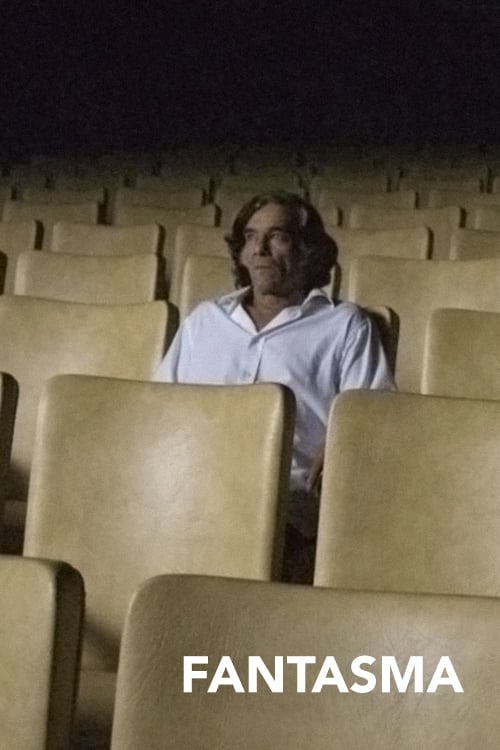
Lisandro Alonso returns to La Pampa, to the same locations of Freedom, to shoot his Carta para Serra (or Sin título), with a camera that seems to float among the vegetation. He has the company of Misael Saavedra, and yet instead of looking back (or making a tribute to his actors, because that was the subject in Fantasma) this movie seeks to be a prologue for his next one.
Overall Score
Fair
Category Breakdown
LGBTQ+ Representation
The film maintains a neutral stance regarding queer themes. There is no explicit evidence of LGBTQ+ characters or narratives addressing heteronormativity.
Gender Representation
The narrative prioritizes environmental and spatial exploration over interpersonal dynamics. It lacks specific evidence of gendered power struggles or the subversion of traditional hierarchies.
Racial & Ethnic Diversity
Set in La Pampa with Misael Saavedra, the film suggests regional authenticity. However, the racial composition of the ensemble remains undocumented.
Religious & Cultural Diversity
The work challenges Western cinematic expectations by prioritizing a meditative approach to the landscape. It disrupts traditional notions of narrative productivity and structured storytelling.
Disability Representation
There is no visible evidence to suggest that disability or neurodivergence are central themes or character traits in this work.
Strengths
Areas for Improvement
AI Analysis
Lisandro Alonso’s work functions primarily as a formalist exercise in cinematic observation. The film avoids traditional narrative structures in favor of atmospheric, slow-cinema techniques that focus on the relationship between humans and their environments. Rather than utilizing identity politics as a primary driver, the film challenges mainstream Western storytelling through its pacing and relationship with the physical landscape. It offers a departure from conventional plot-driven cinema without necessarily centering specific marginalized identities. Ultimately, the film's impact lies in its deconstruction of storytelling norms rather than its engagement with overt identity-driven narratives.
2004

2024
2007

2001
2008
1992
2017
2015
2016
2012

1999

2012
No reviews yet. Be the first to share your thoughts on this movie!
Use the rating form above to leave a star rating and optional review.