
Santo in the Wax Museum
1963
No user ratings available yet
Diversity score: 3.8 out of 10

1973
RDirector
William A. Levey
Runtime
87 minutes
Average Rating
No ratings yetSynopsis
Eddie is a Vietnam veteran who loses his arms and legs when he steps on a land mine, but a brilliant surgeon is able to attach new limbs. Unfortunately, an insanely jealous assistant (who has fallen in love with Eddie's fiancée) switches Eddie's DNA injections, transforming him into a gigantic killer.
Overall Score
Good
Category Breakdown
LGBTQ+ Representation
The film lacks any discernible LGBTQ+ characters or narratives. Romantic subplots adhere to traditional heteronormative structures typical of 1970s genre cinema.
Gender Representation
The narrative is heavily centered on male agency, focusing on masculine archetypes. Female characters occupy secondary roles that reinforce traditional gender hierarchies.
Racial & Ethnic Diversity
The film excels by utilizing an all-Black cast within the Gothic horror genre. This recontextualization of the Frankenstein mythos performs a significant act of cultural reclamation.
Religious & Cultural Diversity
The story centers on social alienation and the breakdown of social order. The creature's violence serves as a critique of systemic rejection and marginalization.
Disability Representation
The protagonist's journey is tied to physical disability following the loss of limbs. The narrative explores a body fundamentally altered by external forces.
Strengths
Areas for Improvement
AI Analysis
Blackenstein stands as a notable disruption of Eurocentric horror tropes. By transplanting the Frankenstein mythos into a Black cultural framework, the film reclaims a genre historically dominated by white narratives. This intentionality provides a high level of racial agency. However, the film remains tethered to the social norms of its era. The heavy focus on male-centric themes and the lack of LGBTQ+ representation limit its progressive reach. The narrative architecture prioritizes masculine archetypes of the creator and the creature. Ultimately, the film succeeds as a piece of cultural reclamation. While it struggles with gendered power dynamics, its exploration of physical deformity and social alienation offers a complex look at the outsider.
1963

1993
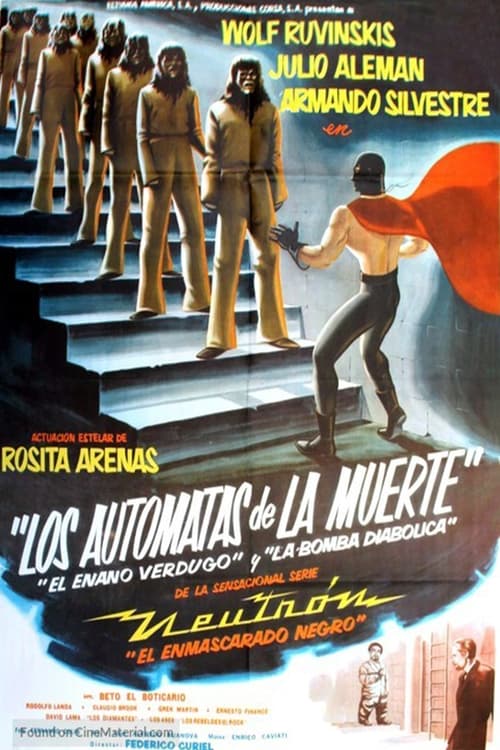
1962
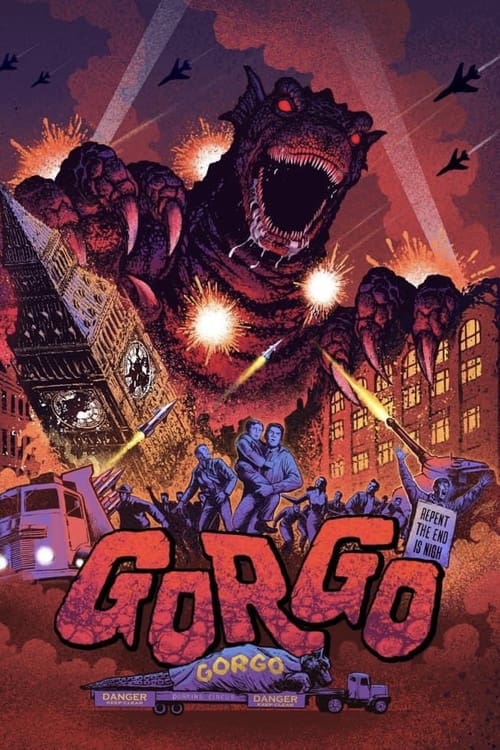
1961
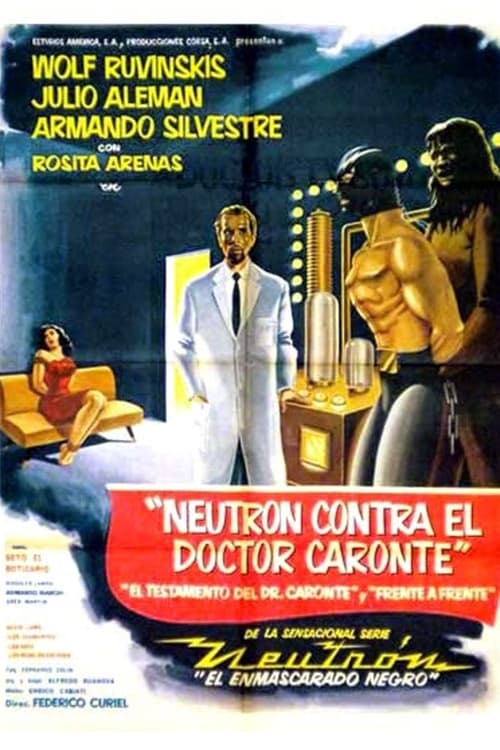
1963
No reviews yet. Be the first to share your thoughts on this movie!
Use the rating form above to leave a star rating and optional review.