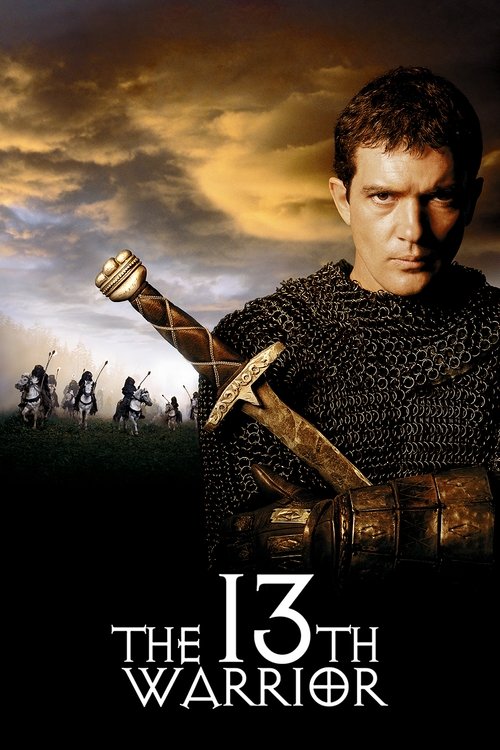
The 13th Warrior
1999
No user ratings available yet
Representation score: 2.5 out of 10

Representation Score
Limited
2001
RDirector
Christophe Gans
Runtime
151 minutes
Average Rating
No ratings yetNew Showbiz Analysis
Brotherhood of the Wolf uses its historical setting to experiment with genre-bending and character's ability to drive the story. It moves away from rigid social structures by integrating non-Western cinematic techniques and diverse archetypes. The film succeeds in challenging gendered expectations and providing meaningful roles to non-European characters. However, it remains limited by a lack of LGBTQ+ representation and a predominantly European cast. Ultimately, the work critiques traditional religious authority through the lens of scientific inquiry and moral relativism.
Category Breakdown
The film does not include any LGBTQ+ characters or depict non-straight relationships. The interpersonal dynamics focus on traditional romantic and friendship structures.
Silène challenges the 18th-century hierarchy through her combat skills and survival abilities. She plays a significant role in driving the story, breaking the era's typical male dominance over physical strength.
Mani adds racial complexity as a central Native American character. He acts as a vital intellectual and physical partner to the Chevalier, avoiding peripheral stereotypes.
The narrative explores the tension between religious superstition and Enlightenment-era scientific inquiry. It questions traditional authority by blurring the lines between the natural and the monstrous.
The film does not prominently feature characters with visible or invisible disabilities that serve as central plot drivers or character arcs.
Present on Screen
Limited or Absent
Official Synopsis
In 18th century France, the Chevalier de Fronsac and his Native American friend Mani are sent by the King to the Gevaudan province to investigate the killings of hundreds by a mysterious beast.
1999
1981
2003
2017
1999

2015

2010
1939
No reviews yet. Be the first to share your thoughts on this movie!
Use the rating form above to leave a star rating and optional review.