
Des lendemains qui chantent
2014
No user ratings available yet
Representation score: 3.6 out of 10
Representation Score
Fair
2019
Director
Anthony Marciano
Runtime
108 minutes
Average Rating
No ratings yetNew Showbiz Analysis
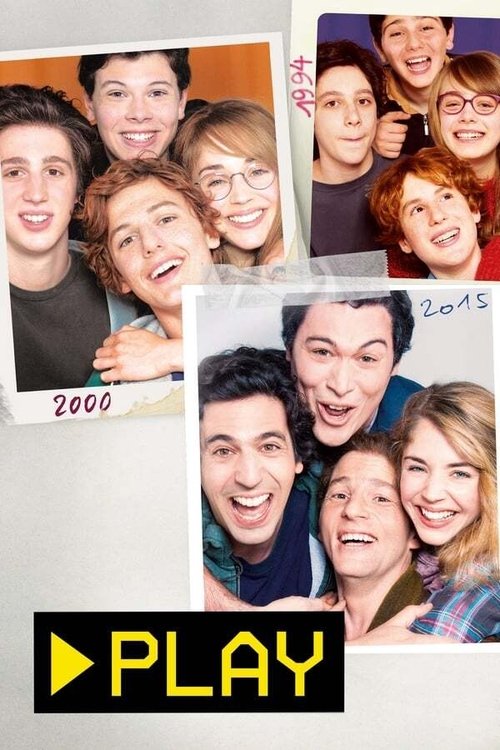
Play functions as a sociological study of a generation, captured through a subjective, longitudinal lens using found-footage techniques. The film steers clear of extreme traditionalism by focusing on the everyday successes and failures of its subjects. However, it does not fully explore multi-layered stories or provide deep character arcs. The multi-ethnic cast suggests a modern social fabric, but the narrative depth regarding specific racial or gendered roles is not fully developed in the available overview.
Category Breakdown
The film examines a range of life experiences across generations but does not explicitly confirm non-binary gender identities or critique the assumption that everyone is straight.
The story centers around a male protagonist's journey through relationships. It highlights his loves and achievements but does not delve deeply into the roles and actions of female characters.
The cast includes a variety of ethnicities, reflecting a modern, diverse society. However, the specific roles and influence of non-white characters are not fully explored in the overview.
The film uses a found-footage style to capture everyday experiences rather than traditional milestones. This approach emphasizes personal, generational truths over polished narratives.
The narrative does not include characters dealing with physical, cognitive, or mental health issues. There is no indication of disability in the story.
Present on Screen
Limited or Absent
Official Synopsis
In 1993, Max was 13 when he was offered his first camera. For 25 years he will not stop filming. The bunch of friends, the loves, the successes, the failures. From the 90s to the 2010s, it is the portrait of a whole generation that is emerging through its objective.
2014

1995

1996

2020

2016

2019

2021

1989
No reviews yet. Be the first to share your thoughts on this movie!
Use the rating form above to leave a star rating and optional review.