My Sweet Killer
1999
No user ratings available yet
Representation score: 5.9 out of 10
Representation Score
Fair
2002
RDirector
John Hough
Runtime
92 minutes
Average Rating
No ratings yetNew Showbiz Analysis
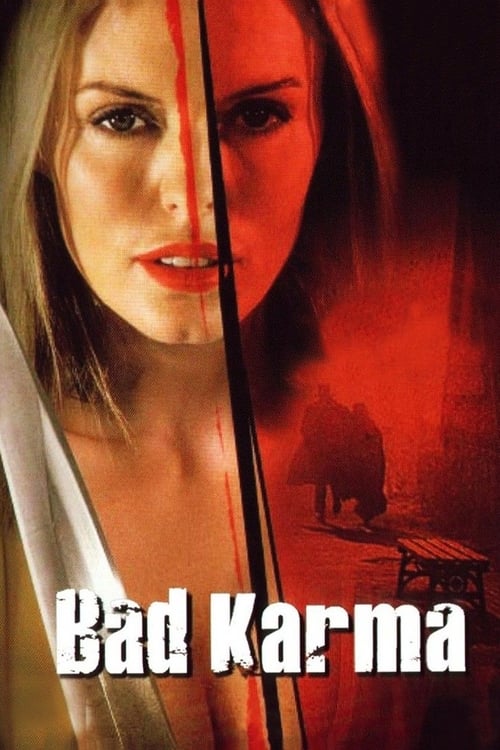
Bad Karma fits within the established norms of early-2000s psychological horror. While it slightly subverts gender roles by putting a female character in a powerful position, the film remains tied to traditional genre formulas. The narrative depends on individual psychological instability to build tension. This approach often emphasizes the 'otherness' of mental illness to create fear, rather than delving into the complexities of the human condition or social identity. Overall, the film lacks intentional characters who reflect more than one aspect of diversity. It functions as a character-driven thriller that follows conventional casting and narrative structures without challenging existing social hierarchies.
Category Breakdown
The film does not include characters with non-binary or transgender identities. The story centers around a psychological conflict that follows traditional character types.
A female character holds power over a male psychiatrist, reversing the usual victim stereotype. However, this power is shown through personal issues rather than broader societal critiques.
The cast seems to follow early-2000s casting norms, likely favoring a homogeneous group. There is no indication of diverse or non-Anglo-Saxon representation.
Themes of rebirth and obsession propel the plot. The film sticks to traditional horror formulas without questioning Western social constructs.
Mental illness is the main plot driver. The film may use neurodivergence primarily for suspense rather than showing a nuanced view of mental health.
Present on Screen
Limited or Absent
Official Synopsis
Mental Patient terrorizes her Psychiatrist who she believes is the reincarnation of Jack the Ripper.
1999

2012

2001
2016
1980
2015
2016

2005
No reviews yet. Be the first to share your thoughts on this movie!
Use the rating form above to leave a star rating and optional review.