
Floating
1997
No user ratings available yet
Representation score: 6.4 out of 10
Representation Score
Fair
1994
PG-13Director
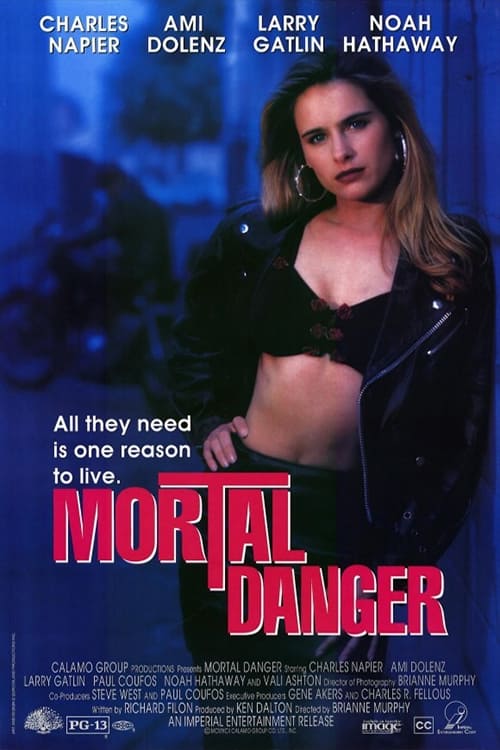
Brianne Murphy
Runtime
86 minutes
Average Rating
No ratings yetNew Showbiz Analysis
To Die, to Sleep is a typical mid-90s character study focusing on individual psychological crises. The film examines the darker aspects of adolescence, particularly through themes of substance abuse and existential dread. While it provides a critique of materialist success, the film lacks complexity in addressing multiple aspects of identity. The narrative prioritizes the protagonist's personal struggle over broader social critiques or diverse representation. Overall, the film operates within traditional dramatic structures, offering a narrow view of wealth and alienation without substantial challenges to societal norms.
Category Breakdown
The film does not include explicit LGBTQ+ characters or stories centered around queer identities. While there are scenes of excess, none of these relate to specific LGBTQ+ experiences or identities.
The story revolves around a male protagonist's journey into self-destruction. Although there are female characters, the narrative adheres to conventional gender roles typical of its time.
The cast features actors from various ethnic backgrounds, such as Daphne Cheung. However, the storyline often emphasizes a Western perspective on wealth and alienation.
The film critiques the American Dream by delving into issues like alcoholism and teen suicide. It challenges idealized notions of social stability and the traditional nuclear family through themes of existential dread.
The movie centers on mental health challenges like suicidal thoughts and substance abuse. It is unclear whether these issues are portrayed with real depth or used merely as plot devices.
Present on Screen
Limited or Absent
Official Synopsis
Although it appears that Phil lives the life that every teenager dreams of - endless amounts of cash, a sweet ride, and a big house he almost always has to himself - he hides a dark and deadly secret. His chance encounter with a similarly troubled youth propels him further into his cycle of debauchery, but it may just be what he needs to keep him from ending his own life.
1997
1993
2008
2002
1989

2013
2003
2001
No reviews yet. Be the first to share your thoughts on this movie!
Use the rating form above to leave a star rating and optional review.