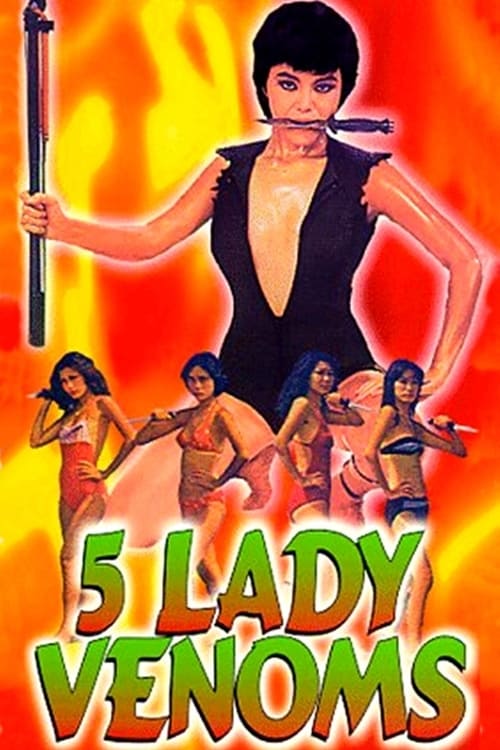
Virago
1981
No user ratings available yet
Representation score: 5.1 out of 10

Representation Score
Limited
2004
Director
Ryūichi Honda
Runtime
43 minutes
Average Rating
No ratings yetNew Showbiz Analysis
Operation Pussycat centers three female dancers who actively pursue a heist, shifting narrative power away from the male antagonist. Their agency marks a departure from passive female roles, yet the synopsis emphasizes their physical attributes, underscoring objectification. The wheelchair-bound gangster serves as a static obstacle, reducing disability to a plot mechanism. No LGBTQ+ or racial diversity emerges from the available material, and cultural critique remains shallow. The film’s strengths lie in its female-driven action, but its reliance on objectifying language and underdeveloped characters limits its representational impact.
Category Breakdown
No LGBTQ+ characters or same-sex relationships appear in the available plot summary. The narrative focuses exclusively on heterosexual dynamics and crime-driven action without queer subtext.
Three female dancers lead the action, hunting for cash while a gangster remains wheelchair-bound. Women drive the plot, though the description focuses on their bodies.
The cast and setting appear entirely Japanese, with no indication of racial or ethnic diversity in the provided details. The film reflects a homogeneous environment typical of its genre.
The film embraces 1960s aesthetics and crime tropes without challenging traditional institutions. Wealth is a target, but systemic critique is absent.
A gangster is wheelchair-bound, but he functions as a plot device rather than a fully realized character with a lived disability. His presence lacks narrative depth.
Present on Screen
Limited or Absent
Official Synopsis
Three curvaceous go-go dancers (Kei Mizutani, Nao Eguchi and Yukari Nunokawa) on a rampage, looking for a big bag of cash that might be hidden in the kitchen of wheelchair-bound gangster. Director Ryuichi Honda keeps it flush with 60s flavors, mood-indigo music, paisley-print fashions in dayglo colors, outrageous zooms and dizzying pans, and best of all, it looks like it was made on a budget of 10 dollars - and when the money ran out the film ended.
1981
1973
1976
1974
1996

1965
1972
1966
No reviews yet. Be the first to share your thoughts on this movie!
Use the rating form above to leave a star rating and optional review.