Mourning Recipe
2013
No user ratings available yet
Representation score: 4.8 out of 10
Representation Score
Excellent
2022
Director
Yuki Tanada
Runtime
85 minutes
Average Rating
No ratings yetNew Showbiz Analysis
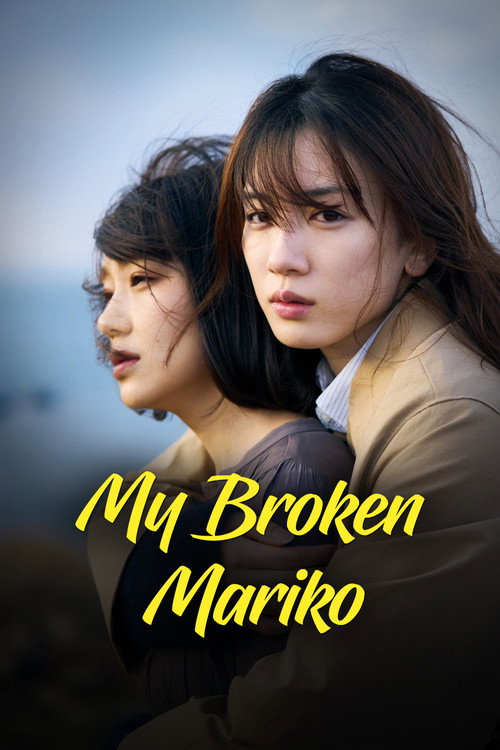
Yuki Tanada’s drama is a powerful exploration of intimacy and grief, centered around a queer relationship that challenges conventional narratives. By focusing on the bond between Mariko and Natsuko, the film avoids treating non-straight relationships as secondary plots. The narrative places emphasis on female emotional autonomy and the strength required to cope with trauma. While the setting is culturally homogeneous, the film provides an authentic glimpse into its specific Japanese context. It presents psychological struggles as a deep exploration of identity, rather than relying on them as simple plot devices.
Category Breakdown
The film centers around a lesbian relationship, providing a nuanced exploration of queer desire and the unique aspects of female connections.
The narrative features an almost entirely female cast, disrupting traditional gender hierarchies. It emphasizes female emotional autonomy and the strength needed to navigate trauma.
Set in Japan, the film reflects a culturally specific, homogeneous environment. While it lacks diverse ethnic representation, it maintains a strong narrative integrity within its cultural context.
The film focuses on individual emotional truth rather than institutional norms. It explores the breakdown of traditional social stability through themes of grief and mental health.
The film portrays mental health and psychological instability with authenticity, avoiding simplistic inspirational messages and presenting a raw look at psychological fragility.
Present on Screen
Limited or Absent
Official Synopsis
Shiino one day finds out that her best friend Mariko has committed suicide. After snatching Mariko's urn from her abusive father, Shiino heads to Marigaoka Cape, a place Mariko always wanted to go.
2013
2005

2022
2000

2024
2013
2020
2020
No reviews yet. Be the first to share your thoughts on this movie!
Use the rating form above to leave a star rating and optional review.