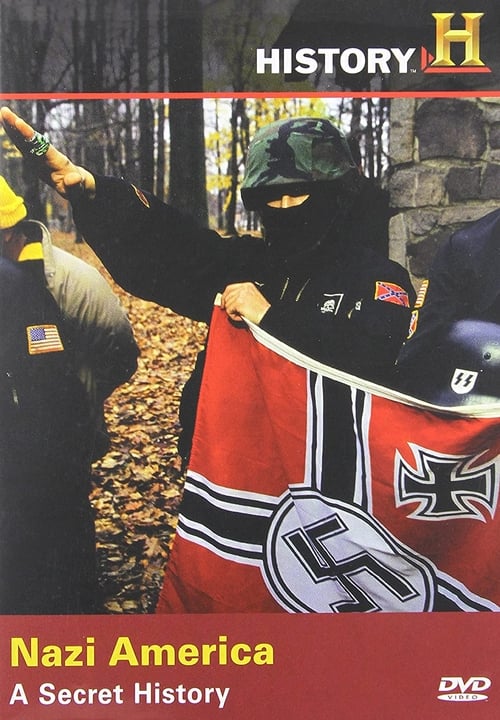
Nazi America: A Secret History
2000
No user ratings available yet
Representation score: 6.1 out of 10

Representation Score
Limited
2016
Director
Silke Pothoff
Runtime
50 minutes
Average Rating
No ratings yetNew Showbiz Analysis
Signs of Evil - The Runes of the SS is a critical historical inquiry rather than a character-driven narrative. Its primary value lies in dismantling the symbolic tools used to build systemic oppression. The film effectively deconstructs the myth of Teutonic exceptionalism by revealing the Semitic origins of Nazi symbols. It also provides a sophisticated critique of how visual iconography maintains racial hierarchies. However, the documentary lacks traditional representation and does not feature a diverse cast or address specific identities like LGBTQ+ or disability, as its scope is strictly limited to political iconography.
Category Breakdown
The documentary focuses on the symbolism of Nazi iconography but does not explore queer theory or non-cisgender identities.
The film centers on historical figures like Walter Heck and Heinrich Himmler. While it critiques the masculine-coded terror of the SS, it lacks specific examples of female empowerment.
The film challenges myths of racial purity by examining the Semitic origins of runes claimed as Germanic. This undermines the foundations of white supremacist ideology.
The documentary critiques Western nationalist myths by portraying the Black Order as a tool for systemic terror. It looks at how ancient scripts are corrupted for oppressive purposes.
There is no information about the portrayal of neurodivergence, physical disabilities, or mental health conditions in this historical study.
Present on Screen
Limited or Absent
Official Synopsis
The symbol of the SS, Hitler’s Schutzstaffel, stands for terror and the murder of millions. The penniless graphic artist Walter Heck was given the job of designing the jagged, rune-like characters in 1929. The “sig” rune was rooted deep in the ideological cosmos of the Nazis and their supporters. They saw themselves as the descendants of the Teutons and declared the runes to be humanity’s original Germanic script. The symbol was meant to unite Heinrich Himmler’s “Black Order”. But did it escape their notice that it was originally of Semitic origin? In October 1945, the Allies passed a law banning the Nazi Party and all associated organizations, including the SS. The young Federal Republic even forbade all Nazi symbols. This documentary tells the gripping story of the SS symbol, from the Middle Ages to the present day.
2000
1935
1998
1998
1975

2001

1998

2019
No reviews yet. Be the first to share your thoughts on this movie!
Use the rating form above to leave a star rating and optional review.