
SubUrbia
1997
No user ratings available yet
Representation score: 4.1 out of 10
Representation Score
Good
2019
TV-14Director
Jeffrey Roda
Runtime
80 minutes
Average Rating
No ratings yetNew Showbiz Analysis
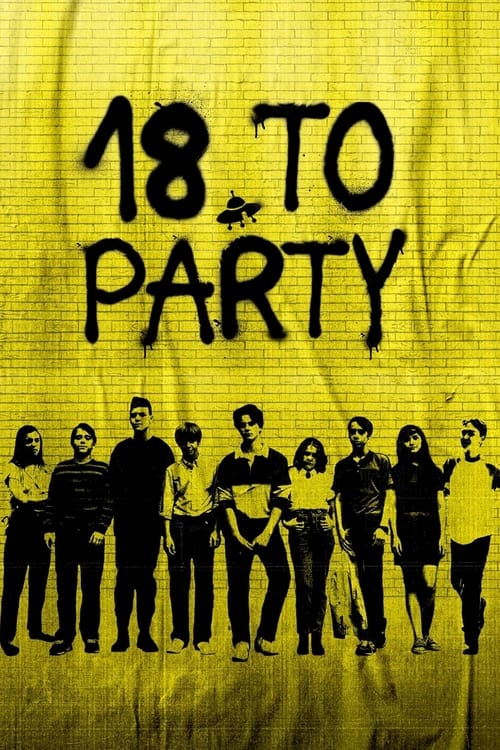
18 to Party succeeds as an ensemble-driven character study that prioritizes the subjective, turbulent realities of adolescence. By focusing on the internal lives of teenagers rather than adult-led moralizing, the film creates a space for nuanced social exploration. The film's strength lies in its refusal to rely on traditional authority figures, instead highlighting the disillusionment of youth in a small-town setting. This approach allows for a more relativistic and postmodern storytelling style. However, the film lacks explicit demographic clarity. While it touches on social fringes and diverse personality archetypes, it provides little concrete evidence regarding racial diversity or specific LGBTQ+ identities.
Category Breakdown
The film focuses on the internal lives and interpersonal dynamics of eighth graders. While specific LGBTQ+ identities are not explicitly confirmed, the subversion of social hierarchies suggests potential exploration of non-traditional identities through peer interactions.
Female characters like Amy, Missy, and Kira are portrayed with distinct, strong archetypes. The narrative avoids submissive clichés, using these girls to drive the group's intellectual and social discussions.
The story functions as a localized coming-of-age study set in 1984. There is insufficient evidence to confirm significant racial blending or a non-white majority within the ensemble.
The narrative critiques the stability of the traditional nuclear family by centering on absentee parents. It prioritizes youth perspectives and explores themes of social alienation and systemic disillusionment.
The character Lanky, navigating reintegration after youth detention, touches on themes of social and behavioral complexities. The film shows interest in characters existing on the fringes of social norms.
Present on Screen
Limited or Absent
Official Synopsis
It’s 1984 and outside a small-town nightclub, a group of 8th graders gather, grappling with a spate of recent suicides, UFO sightings, their absentee parents, and each other.
1997

1994

2021

2004

2021
1980
1979
2011
No reviews yet. Be the first to share your thoughts on this movie!
Use the rating form above to leave a star rating and optional review.