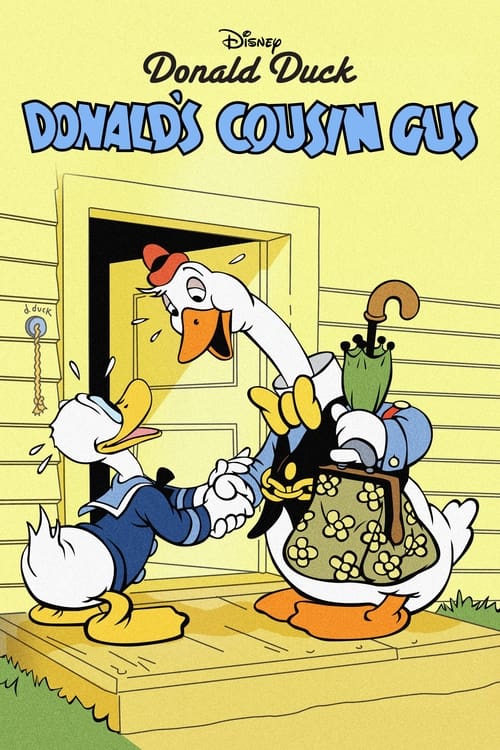
Donald's Cousin Gus
1939
No user ratings available yet
Representation score: 0.1 out of 10
Representation Score
Limited
1940
NRDirector
Jack King
Runtime
8 minutes
Average Rating
No ratings yetNew Showbiz Analysis
The film excels as a piece of political allegory, using animation to challenge the legitimacy of fascist regimes and absolute state authority. Its strength lies in its sophisticated critique of systemic oppression and totalitarianism. However, the film lacks meaningful representation of human identities, including diverse racial or ethnic groups, LGBTQ+ characters, or individuals with disabilities. This absence of multi-layered demographic diversity contributes to a lower overall score.
Category Breakdown
The film does not include any LGBTQ+ characters or those with non-conforming gender identities. The relationship between Donald and Daisy follows traditional heterosexual norms.
Donald plays a central role in driving the narrative within a traditional framework. While Daisy exhibits flirtatious behavior, the power dynamics between them adhere to conventional courtship norms.
The cast uses anthropomorphic animals to represent political factions rather than human groups. The film lacks diverse racial or ethnic representation.
The film provides a sophisticated critique of institutional power and totalitarianism. It portrays the state as a corrupting force that suppresses individual freedom.
There are no depictions of physical, neurodivergent, or sensory disabilities. Characters are portrayed as able-bodied archetypes in a slapstick context.
Present on Screen
Limited or Absent
Official Synopsis
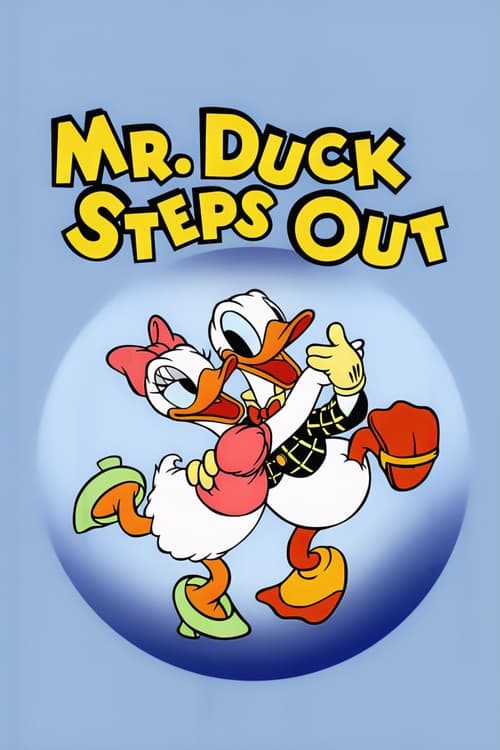
Donald visits the house of his new love interest for their first known date. At first Daisy acts shy and has her back turned to her visitor. But Donald soon notices her tailfeathers taking the form of a hand and signaling for him to come closer. But their time alone is soon interrupted by Huey, Dewey and Louie who have followed their uncle and clearly compete with him for the attention of Daisy. Uncle and nephews take turns dancing the jitterbug with her while trying to get rid of each other. In their final effort the three younger Ducks feed their uncle maize in the process of becoming popcorn. The process is completed within Donald himself who continues to move wildly around the house while maintaining the appearance of dancing. The short ends with an impressed Daisy showering her new lover with kisses
1939
1939
1939
1938
1938
1942
1947
1946
No reviews yet. Be the first to share your thoughts on this movie!
Use the rating form above to leave a star rating and optional review.