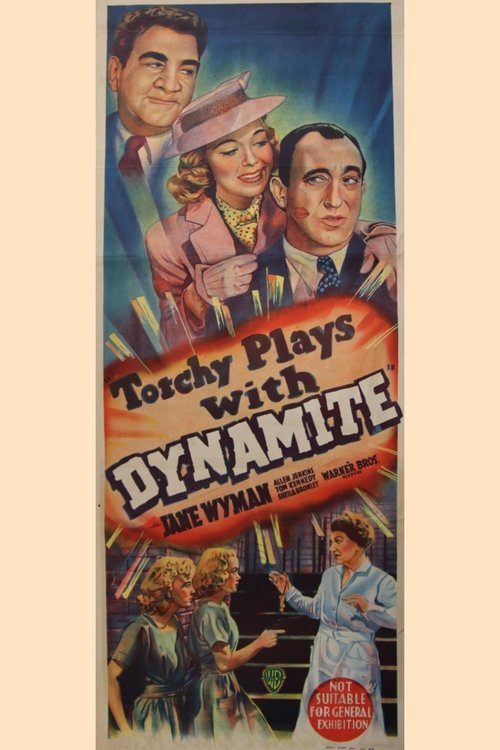
Torchy Blane... Playing with Dynamite
1939
No user ratings available yet
Representation score: 2.2 out of 10
Representation Score
Minimal
1948
Director
Alfred J. Goulding
Runtime
70 minutes
Average Rating
No ratings yetNew Showbiz Analysis
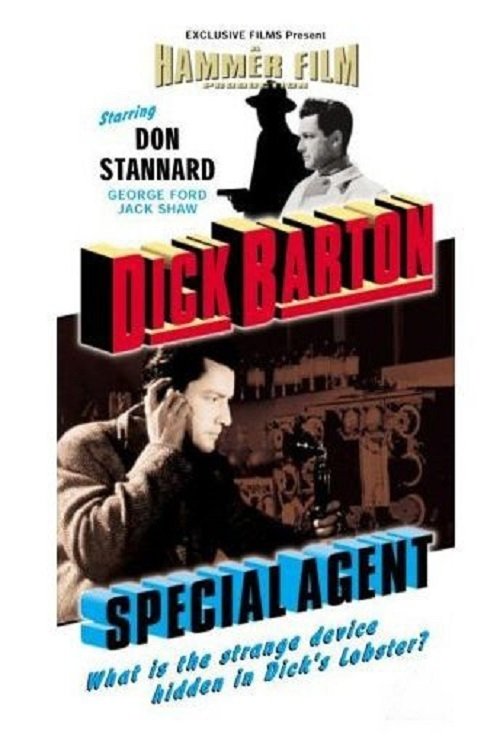
Dick Barton: Special Agent is a period-specific adventure that prioritizes traditional social hierarchies. The narrative is built around a singular male hero, concentrating ability to act within a conventional patriarchal framework. Representation is limited by the era's standards, focusing on a homogenous, Anglo-centric cast and a binary conflict of national security versus external enemies. The film functions to reinforce the status quo rather than challenge it.
Category Breakdown
The film follows a strictly heterosexual structure. The plot focuses on the protagonist's relationship with Jean, with no presence of non-binary or transgender identities.
Gender roles are highly traditional. Dick Barton drives the action as the competent hero, while Jean remains a passive figure who is kidnapped.
The production reflects the demographic homogeneity of 1948. The cast and narrative lack multi-ethnic representation or characters of color in positions of ability to act.
The story reinforces Western institutional values and patriotism. It presents a moral binary between state protection and the threat of neo-Nazi subversion.
There is no depiction of characters with physical or neurodivergent disabilities within the narrative.
Present on Screen
Limited or Absent
Official Synopsis
Government agent Dick Barton battles a ring of Nazi spies who are planning to poison the entire London water supply.
1939

2006
1943
2009
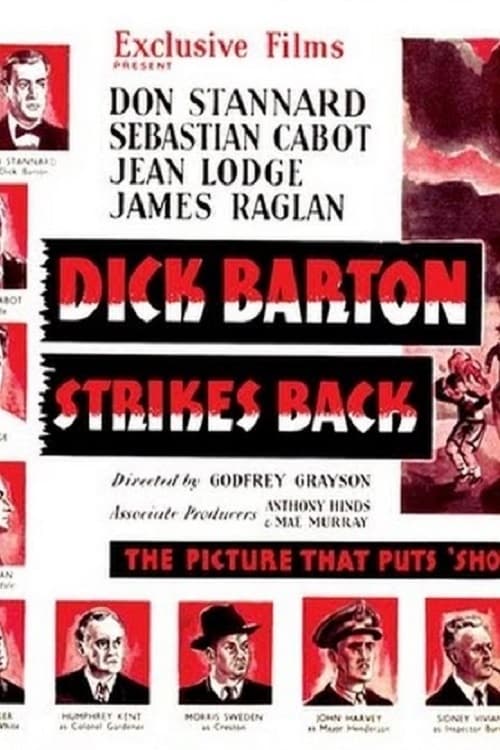
1949
1939
1945
1943
No reviews yet. Be the first to share your thoughts on this movie!
Use the rating form above to leave a star rating and optional review.