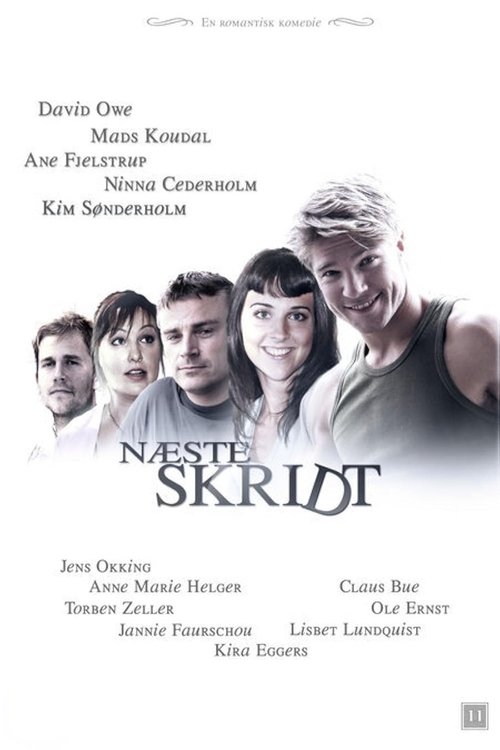
Next Step
2007
No user ratings available yet
Representation score: 4.7 out of 10

Representation Score
Fair
2005
Director
Vibeke Idsøe
Runtime
90 minutes
Average Rating
No ratings yetNew Showbiz Analysis
Vibeke Idsøe’s film is a focused character study that centers on female subjectivity. By placing Selma’s internal emotional landscape at the heart of the story, the film challenges traditional gender hierarchies and avoids making the protagonist a secondary figure to a male lead. However, the film’s impact is limited by its demographic homogeneity. The narrative remains rooted in a specific, middle-class urban experience in Oslo, lacking racial diversity or varied ethnic representation. This creates a narrow social lens that restricts the film's broader cultural reach. While the film excels at exploring the complexities of womanhood, it offers little in the way of LGBTQ+ representation or disability inclusion. It remains a specialized exploration of a specific demographic rather than a diverse social tapestry.
Category Breakdown
The story focuses on traditional romantic relationships and personal meaning. It lacks overt LGBTQ+ characters or narratives that question conventional social structures.
Selma drives the plot through her own existential journey, playing a significant role in the story. The film challenges traditional gender roles by emphasizing her emotional autonomy over domestic duties.
The cast is predominantly white and ethnically uniform, reflecting a specific Norwegian social context. There is no significant racial diversity among the characters.
The film adopts a secular, humanist viewpoint centered on individual identity. It prioritizes personal truth over adherence to traditional religious or institutional morality.
There is no significant presence of visible or invisible disabilities portrayed as central to the narrative.
Present on Screen
Limited or Absent
Official Synopsis
A woman, Selma, almost 40 years old, figures that she has not achieved what she wanted in life and wonders "what now?"
2007

2000

1999

2012

2021

2024
2015

2025
No reviews yet. Be the first to share your thoughts on this movie!
Use the rating form above to leave a star rating and optional review.