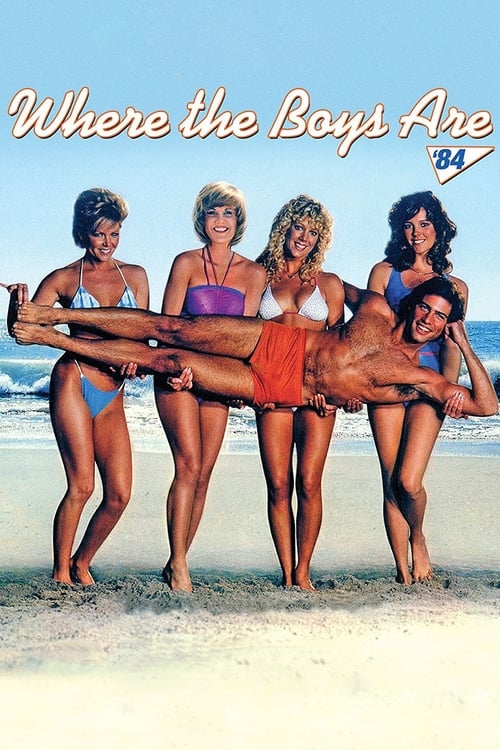
Where the Boys Are
1984
No user ratings available yet
Representation score: 2.2 out of 10
Representation Score
Minimal
1983
RDirector
Sean S. Cunningham
Runtime
102 minutes
Average Rating
No ratings yetNew Showbiz Analysis
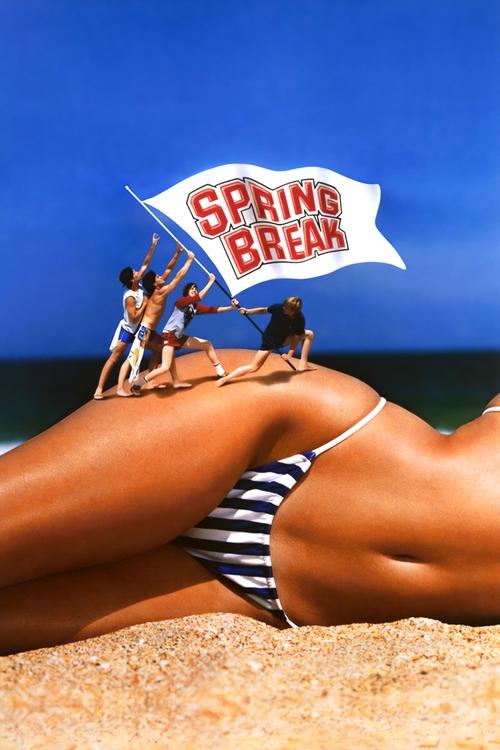
Spring Break functions as a typical genre piece focused on providing visceral thrills and commercial entertainment rather than exploring diverse character studies. The narrative relies heavily on established formulas, particularly those related to gendered vulnerability and demographic uniformity, without attempting to challenge social norms. The film operates within the traditional social structures of its time, lacking the depth needed to offer systemic critiques and instead focuses on the mechanics of the slasher and party film genres.
Category Breakdown
The film does not include any LGBTQ+ characters or representations of non-straight relationships. It follows the conventional assumptions that everyone is straight and cisgender.
Female characters are mainly portrayed as vulnerable and reactive to external threats. They rarely take control of their own destinies and are often the subjects of conflict.
The cast is almost entirely white, with no significant characters representing diverse backgrounds. There are no intentional efforts to include characters from different racial groups.
The film portrays youth rebellion through heavy substance use and a lack of respect for authority. These elements serve as genre clichés rather than a structured critique of societal institutions.
There is no representation of disability or neurodivergence. Characters are not shown with physical impairments or cognitive differences.
Present on Screen
Limited or Absent
Official Synopsis
Two sets of two college guys spend a spring break together in Fort Lauderdale, Florida. There they have lots of fun in and out of the sun.
1984

2003

1985
1988

1963
1986

2001

1978
No reviews yet. Be the first to share your thoughts on this movie!
Use the rating form above to leave a star rating and optional review.