Find another title
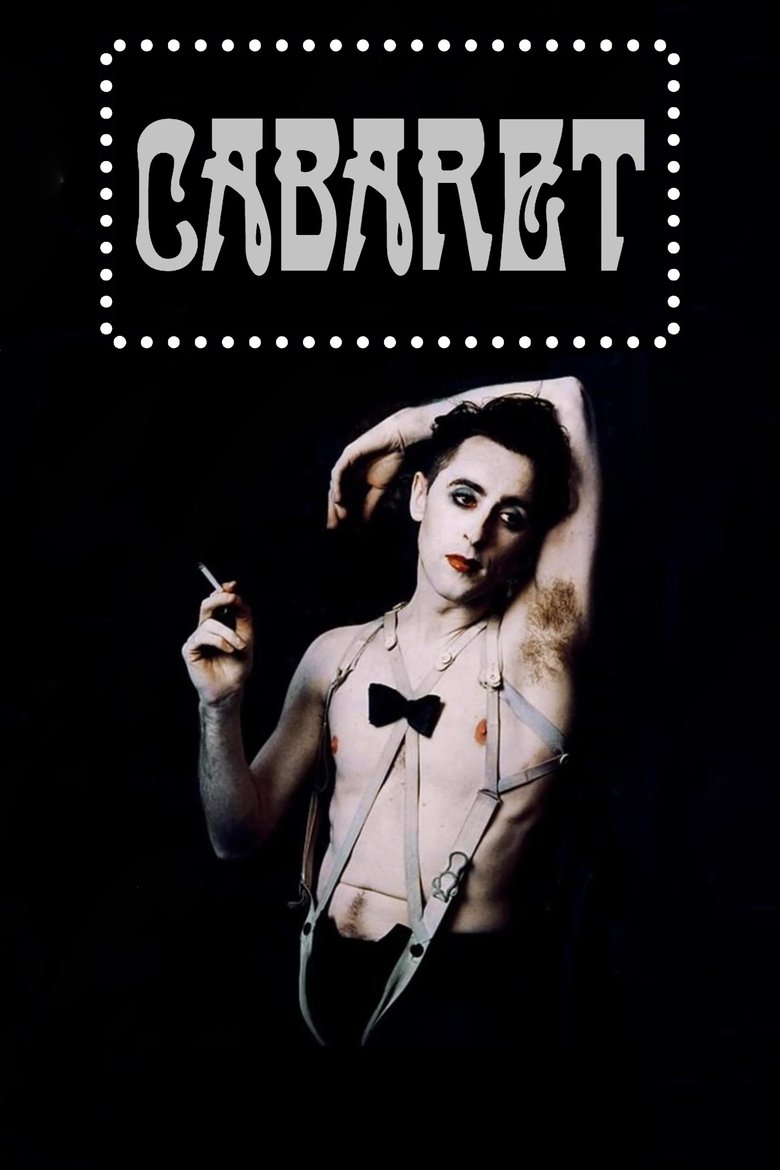
Cabaret
1993
Director
Sam Mendes
Runtime
107 minutes
Average Rating
No ratings yetSynopsis
Filmed live during the 1993 revival, Sam Mendes' directorial debut takes place at the Donmar Warehouse in London's West End. Jane Horrocks stars as Sally Bowles, Adam Godley as Cliff, and Alan Cumming as the eccentric Emcee. Inside the Kit Kat Club in 1931 Berlin, starry-eyed singer Sally and the lewd Emcee sound the clarion call to decadence, while outside, the Nazi party grows into a brutal force.
Where to Watch
Diversity & Representation
Overall Score
Excellent
Category Breakdown
LGBTQ+ Representation
The Kit Kat Club serves as a vital ecosystem for non-heteronormative expression. Through the Emcee, the production centers gender non-conformity and fluid identities. Queer spaces are depicted as the heartbeat of the setting rather than peripheral subplots.
Gender Representation
Sally Bowles subverts traditional domestic archetypes by prioritizing personal autonomy and sexual liberation. The narrative explores the tension between female agency and the encroaching patriarchal rigidity of the Nazi regime, deconstructing conventional tropes.
Racial & Ethnic Diversity
The production highlights the increasing marginalization of Jewish citizens and other minorities. It uses the rising political tide to illustrate the systemic persecution of non-Aryan identities, framing their loss as a central tragedy.
Religious & Cultural Diversity
The film critiques traditional Western institutions and their failure to prevent fascism. The bohemian lifestyle of the cabaret acts as a counter-narrative to the rigid, singular morality of the burgeoning state.
Disability Representation
There is no visible or invisible disability representation documented in this production.
Strengths
- Exceptional portrayal of queer spaces and gender non-conformity through the Emcee.
- Strong subversion of traditional gender roles via Sally Bowles' autonomy.
- Effective use of historical setting to critique systemic oppression and fascism.
Areas for Improvement
- Limited evidence regarding the representation of visible or invisible disabilities.
- The racial narrative is primarily framed through the lens of political persecution.
AI Analysis
Sam Mendes’ directorial debut uses the theatricality of Weimar Berlin to critique the erosion of pluralism. By centering the Kit Kat Club, the work explores how marginalized identities navigate shifting power dynamics during a systemic collapse. The production excels in its portrayal of queer spaces and gender non-conformity, making these elements central to the narrative architecture. Sally Bowles provides a strong counterpoint to traditional gender hierarchies through her pursuit of personal agency. While the film effectively depicts the persecution of minorities, the focus remains heavily on the political and social friction of the era. The narrative successfully frames the breakdown of social order as a critique of institutional apathy.
Rate this Movie
Reviews
No reviews yet. Be the first to share your thoughts on this movie!
Use the rating form above to leave a star rating and optional review.